Zpacks Arc Haul Ultra Review: Ultralight Backpack for Thru-Hikers and Backpackers
Planning a thru hike? Your pack choice matters more than you think. The Zpacks Arc Haul Ultra is a big name in ultralight backpacking circles.
This pack claims a 60L capacity. It uses a carbon fiber frame for serious weight savings. Hikers love packs that disappear on their back, and this one aims to do just that.
But does it really deliver? We tested the comfort, the suspension system, and the durability. We also looked at real user feedback.
This review covers everything you need to know. We talk about who this pack is best for. We also discuss the few drawbacks you should know before you buy.
By the end, you will know if the Arc Haul Ultra fits your next adventure. Let’s jump into the details.
In a Nutshell
Here is the quick rundown on the Zpacks Arc Haul Ultra. This list gives you the core facts fast.
-
Weight class: This pack sits among the lightest framed packs you can buy. Carbon fiber frame stays keep the weight down without losing structure.
-
Comfort factor: The hip belt takes most of the load off your shoulders. Articulating shoulder straps move with your body for a natural feel.
-
Fit flexibility: You get about 3 inches of torso adjustment. This helps dial in a personal fit for different body types.
-
Weather readiness: The pack is waterproof, so rain will not soak your gear. The back panel also stays breathable during long days.
-
Load limits: Comfortable carrying capacity tops out around 26 to 28 lbs. Push past that, and comfort drops fast.
-
The catch: Some hikers report frame durability issues over time. The suspension system can also feel overcomplicated for new users.
This pack shines for ultralight hikers who value low weight. But check the cons before you commit.
Build Quality and Materials
The Arc Haul Ultra uses carbon fiber frame stays as its backbone. This material choice keeps the pack extremely light while still providing structure for load support. The frame runs vertically along the back panel and helps distribute weight across your hips.
The back panel itself features a breathable, ventilated design. This keeps air flowing between your back and the pack fabric. You stay cooler on long hikes, especially in warm weather. The ventilation also reduces sweat buildup during steep climbs.
Zpacks chose waterproof materials for the main pack body. Your gear stays dry even during heavy rain or stream crossings. The fabric resists moisture absorption, which matters when you’re far from shelter. This protection adds peace of mind on multi day trips.
The shoulder straps are articulating, meaning they move with your body. They adjust to fit different torso shapes and sizes. This flexibility helps the pack sit comfortably on various frame types. The straps don’t feel rigid or locked in place.
The hip belt plays a major role in how the pack feels on your body. It transfers most of the load from your shoulders to your hips, where your body handles weight better. A well designed hip belt makes all the difference on long carries.
However, some users report frame durability concerns. The carbon fiber stays can fail under stress, especially with heavier loads or rough handling. A few hikers experienced frame breaks after extended use. This is worth considering if you plan frequent trips.
The overall construction feels light but intentional. Every component serves a purpose. Zpacks stripped away unnecessary padding and bulk. What remains is a minimalist pack built for efficiency.
The suspension system, while innovative, adds complexity. More moving parts mean more things that could need adjustment or repair. Some hikers find this system finicky compared to simpler designs. Others appreciate the customization it offers.
Build quality sits somewhere between excellent and inconsistent. The materials themselves are premium. The execution sometimes falls short, based on reported durability issues. Your experience may vary depending on how you use the pack and how carefully you maintain it.

- CAPACITY-Extendable 80L+ storage capacity can carry the items needed for day trips and long-distance sports to a...
- MATERIALS-Durable 500D treated nylon body can prevent splashing and keep the backpack dry.ykk zippers.Industry...
Last update on 2026-10-23 / Affiliate links / Images from Amazon Product Advertising API
Capacity, Fit, and Comfort
The Arc Haul Ultra shines when it comes to how the pack sits on your body. The adjustable torso length gives you roughly 3 inches of range to dial in your fit. This flexibility matters because every hiker has a different back length. A proper fit means better comfort on long days.
The hip belt deserves special attention here. It carries the majority of your load, which keeps weight off your shoulders. This design choice reduces fatigue during extended treks. The belt itself feels secure without pinching your sides.
Shoulder strap design plays a big role in overall comfort. The articulating shoulder straps move naturally with your body as you walk. This prevents the straps from digging into your shoulders on rough terrain. Many hikers appreciate this adaptive feature.
The back panel ventilation keeps you cooler during active hiking. Air flows between your back and the pack, reducing sweat buildup. This breathable design helps on warm days or steep climbs. You will notice the difference compared to solid back panels.
However, comfort is not universal with this pack. Some users report that the suspension system feels overcomplicated. Too many adjustment points can overwhelm new users. Getting the fit just right takes time and patience.
The pack handles loads between 26 and 28 lbs comfortably. Push beyond this range, and you may feel the weight shift. The lightweight frame stays cannot support heavier loads without strain. This makes the Arc Haul Ultra ideal for ultralight hikers.
One concern surfaces in user reports about frame durability. Some hikers experience frame failures after extended use. This creates doubt about long term comfort and reliability. The pack performs well initially, but longevity questions remain.
The overall fit experience depends on your body type and hiking style. Shorter torsos may struggle to find the right adjustment. Taller hikers might find the range insufficient. Test the pack with your own gear before committing to a long trip.
Weight and Carrying Performance
The Arc Haul Ultra delivers impressive carrying performance for ultralight backpacking. This pack excels at transferring weight where it matters most: your hips. The hip belt absorbs the majority of your load, which keeps your shoulders and neck from bearing unnecessary strain during long days on the trail.
The carbon fiber frame stays provide structure without adding bulk. These stays flex slightly as you move, adapting to your body’s natural motion. This flexibility helps reduce fatigue during extended hikes, especially when you’re navigating steep terrain or uneven ground.
Carrying capacity sits at a comfortable maximum of 26 to 28 lbs. This range suits ultralight hikers who pack smart and minimize gear. If you typically carry heavier loads, this pack will feel restrictive. The 60L capacity means you have space for a multi day trip, but weight discipline remains essential.
The articulating shoulder straps deserve attention here. They move independently from the pack frame, allowing each strap to find its own path across your shoulders. This design reduces pressure points and distributes contact more evenly. Most users report feeling less shoulder fatigue compared to traditional fixed straps.
Back panel ventilation keeps air flowing between the pack and your back. This breathable design prevents sweat buildup during active hiking, making the pack feel lighter and more comfortable in warm conditions. The ventilation gap also reduces heat retention, which matters when you’re moving uphill.
One important note: frame durability concerns appear in user reports. Some hikers have experienced carbon fiber frame failures after extended use. This issue varies between individual packs, suggesting inconsistent quality control in manufacturing.
The pack’s weight distribution works beautifully when everything aligns correctly. Your torso adjustment range spans about 3 inches, so finding your ideal fit should be straightforward. However, comfort is not universal with this pack. Your specific body type and hiking style will determine whether the Arc Haul Ultra feels like a perfect match or a compromise.
Top 3 Alternatives
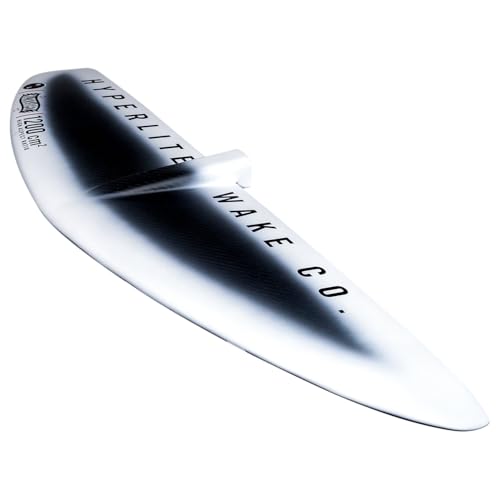
Hyperlite Mountain Gear Windrider
Last update on 2026-10-23 / Affiliate links / Images from Amazon Product Advertising API
The Windrider delivers ultralight performance without sacrificing comfort. This pack uses Dyneema fabric that resists wear and tears better than standard materials. The suspension system adapts to your back shape, which means you get a custom fit every time you wear it.
You’ll appreciate the minimal weight combined with smart pocket placement. Side compression straps keep your load stable on rough terrain. The pack breathes well, so your back stays dry during long hikes.
Osprey Atmos AG

- Fine-Tuned Fit - Fit-on-the-Fly harness and hipbelt make for improved comfort and a fine-tuned fit
- Integrated Raincover - Keeps your pack and gear dry in inclement weather
Last update on 2026-10-23 / Affiliate links / Images from Amazon Product Advertising API
Osprey built the Atmos AG with their Anti-Gravity suspension technology. This system distributes weight evenly across your hips and shoulders. Your spine stays happy because the pack moves with your body, not against it.
The pack features multiple compartments that organize gear logically. You get easy access to essentials without unpacking everything. The ventilation channels keep airflow moving, which reduces sweat buildup on hot days.
Granite Gear Blaze
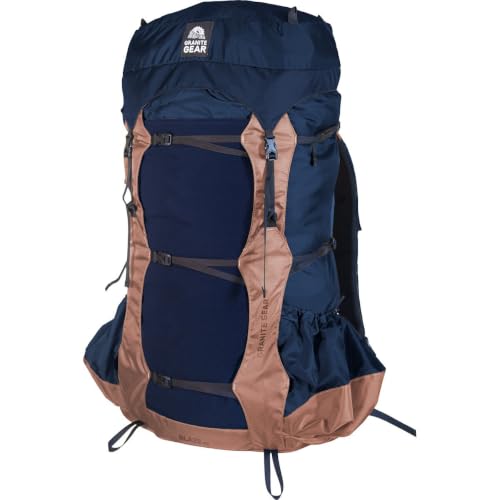
- Award-winning multi-day backpack designed for comfort and durability
- Adjustable Air Current frame supports up to 50 lbs with stable load control
Last update on 2026-10-23 / Affiliate links / Images from Amazon Product Advertising API
The Blaze stands out for its straightforward design and reliability. This pack weighs less than many competitors but still holds up under heavy loads. The frame sheet provides structure without adding bulk.
You’ll find the load lifter straps pull weight closer to your body for better balance. Exterior pockets keep frequently used items within arm’s reach. The fabric resists abrasion, so your pack lasts through multiple seasons of use.
Each option brings different strengths to the table. The Windrider excels in ultralight scenarios. The Atmos AG prioritizes comfort on extended trips. The Blaze offers straightforward, dependable performance at a lighter weight.
Suspension System and Adjustability
The suspension system on the Arc Haul Ultra takes a sophisticated approach to load management. Zpacks engineered this pack with multiple adjustment points that work together to fine tune how the load sits on your body.
Torso length adjustment stands out as a key feature. You can modify the fit across roughly a 3 inch range, which means different body types can dial in their ideal setup. This flexibility matters because a poor torso fit creates discomfort and poor weight transfer regardless of other design choices.
The articulating shoulder straps respond to your movement rather than staying rigid. They shift and flex as you hike, which reduces pressure points on your shoulders and collarbone. This design choice helps distribute load more naturally across your upper body during long days on the trail.
The hip belt plays the biggest role in overall load transfer. When adjusted correctly, your hips carry the majority of weight instead of your shoulders. This is where the Arc Haul Ultra performs well for most users, assuming your body matches the pack’s design parameters.
However, the suspension system introduces real complexity. Users report that getting everything dialed in requires patience and multiple adjustment attempts. Some hikers find this level of customization empowering. Others view it as unnecessary complication that detracts from the hiking experience.
The back panel ventilation works as part of the suspension strategy too. The breathable design reduces sweat buildup and heat against your back, which indirectly improves comfort during the adjustment process. You can actually feel how the pack sits on your body more clearly without moisture interference.
One important consideration: suspension adjustability only works if the frame itself stays intact. Some users report carbon fiber frame durability issues after extended use. When the frame weakens, even perfect suspension tuning cannot compensate for structural problems.
The adjustability range appeals to ultralight hikers who understand their body measurements and pack requirements. If you know your torso length and prefer hands on customization, this system rewards that knowledge. If you prefer grab and go simplicity, the Arc Haul Ultra demands more attention than you might want to give.
Weather Resistance and Durability
The Arc Haul Ultra uses Dyneema fabric for its outer shell, which resists water effectively. This material sheds rain rather than absorbing it, keeping your gear dry during wet conditions. The waterproof construction extends to the seams, which receive sealed treatment to prevent water from seeping through connection points.
The carbon fiber frame stays contribute to durability in specific ways. They resist bending under load and maintain their shape through repeated use. However, user reports indicate frame failures do occur, particularly when the pack carries weight near its maximum capacity or experiences impact during travel.
The pack’s ventilated back panel serves a dual purpose. It allows moisture to escape from your back while you hike, and it also helps distribute weight more evenly across your shoulders and hips. This design choice improves comfort during extended trips, though it may reduce waterproofing slightly compared to solid back panels.
Tear resistance becomes important when you navigate rough terrain. The Dyneema fabric resists punctures better than many ultralight alternatives. Zippers and attachment points receive reinforcement to handle repeated opening and closing without failing prematurely.
One durability concern surfaces repeatedly in user feedback. The complex suspension system creates stress points where multiple components connect. These junction areas sometimes fail before the fabric itself shows wear. Proper maintenance and careful packing can extend the pack’s lifespan significantly.
The hip belt attachment system uses durable stitching and reinforced webbing. This area experiences heavy stress during hiking, yet most users report the belt holds up well over time. The articulating shoulder straps also show good longevity when used as designed.
Weather resistance depends partly on how you use the pack. Adding a rain cover provides extra protection during heavy downpours. The pack itself handles light to moderate rain admirably, though extended exposure to wet conditions may eventually compromise seams if they’re not properly sealed.
Overall, the Arc Haul Ultra balances lightweight construction with reasonable durability. It performs well in typical backpacking conditions when users follow care guidelines and respect weight limits.
Pros and Cons
Pros
- Ultralight design ranks among the lightest framed packs you can buy for backcountry trips
- Hip belt transfers load efficiently so your shoulders feel less strain during long hikes
- Waterproof Dyneema fabric keeps your gear dry in rain and wet conditions
- Adjustable torso length fits different body types without requiring a custom order
- Breathable back panel prevents sweat buildup and keeps you comfortable on warm days
Cons
- Suspension system feels overly complicated and requires time to understand all adjustment points
- Frame failures have been reported by some users, raising durability questions
- Small handle makes it awkward to grab or hang the pack in camp
- Comfort varies between users even though the design aims for universal fit
Who Should Buy It
The Zpacks Arc Haul Ultra works best for ultralight backpackers who prioritize pack weight above almost everything else. If you regularly hike trails where every ounce matters, this pack delivers real value through its carbon fiber frame and minimal materials.
You should consider this pack if you understand your torso length and know your comfortable carry weight sits between 26 and 28 pounds. The adjustable suspension system only helps when you match it to your specific measurements. Guessing won’t work here.
Experienced hikers benefit most from the Arc Haul Ultra’s complexity. The articulating shoulder straps and ventilated back panel require understanding to set up correctly. Newer backpackers often struggle with suspension packs this intricate. You need to invest time learning how each adjustment point affects your comfort.
The pack appeals to people who accept some durability trade offs for weight savings. Frame failures have appeared in user reports, so you should feel comfortable with potential repairs or replacements. If you demand a pack that lasts forever without questions, look elsewhere.
Solo wilderness travelers and thru hikers find this pack particularly useful. The 60L capacity fits most multi day trips without being oversized. The waterproof Dyneema fabric keeps your gear protected during extended backcountry stays.
This pack isn’t ideal if you carry heavier loads regularly. The maximum comfortable weight tops out around 28 pounds. Pushing beyond that strains the frame and your shoulders. Hunters, mountaineers, or anyone hauling base camp gear should explore other options.
You should skip this pack if you want simple, straightforward suspension systems. The Arc Haul Ultra demands attention to detail during setup and adjustment. Casual weekend hikers often find this level of complexity frustrating rather than helpful.
Competitive ultralight backpackers and fastpacking enthusiasts represent the core audience. These hikers understand weight penalties and frame trade offs. They actively manage their gear systems and welcome the challenge of optimization.
Finally, consider this pack if you value breathable back panels and weight transfer efficiency. The hip belt truly performs its job, moving load away from your shoulders. For the right person, the Arc Haul Ultra becomes an excellent investment.
Final Verdict
The Zpacks Arc Haul Ultra earns its spot among top ultralight packs. It delivers a rare mix of low weight and real trail performance. Still, it won’t fit every hiker’s needs.
If you compare it to the Osprey Exos Pro 55, you’ll notice a clear tradeoff. The Osprey offers a simpler suspension and more predictable durability. The Arc Haul Ultra wins on pure weight savings but asks for more patience during setup.
The Osprey Exos (non Pro version) sits as a budget friendly alternative with similar comfort features. It lacks the advanced materials found in the Arc Haul Ultra. Hikers who want proven reliability often lean toward this option.
The Bonus Aerus offers a heavier but sturdier build. Some hikers find it easier to live with on multi week trips. It won’t match the Arc Haul Ultra’s pack weight numbers though.
The Cutaway stands as Zpacks’ own simplified alternative. It trims some features to reduce complexity. If you want fewer adjustment points, this model deserves a look before you commit to the Arc Haul Ultra.
So who should buy the Arc Haul Ultra? Hikers chasing the lightest possible setup will likely love it. Those who value simplicity above all else should look elsewhere.
Think about your hiking style first. Long thru hikes reward the weight savings this pack offers. Short weekend trips may not justify the learning curve.
Your final choice depends on priorities. Weight conscious hikers who accept some complexity will find a strong partner in this pack. Hikers who want effortless setup might prefer a simpler framed option from Osprey or elsewhere.
The Arc Haul Ultra isn’t a universal answer. It’s a focused tool built for a specific type of hiker. Know your needs, test your torso fit, and decide if this pack matches your trail goals.
Frequently Asked Questions
Does the Arc Haul Ultra work for beginners?
Not really. This pack demands experience. You need to know your torso length and understand your comfortable carry weight beforehand. The suspension system has many adjustment points, so beginners often feel overwhelmed. Start with a simpler pack first, then move to the Arc Haul Ultra once you understand ultralight hiking.
How does the Arc Haul Ultra compare to the Osprey Exos Pro 55?
Both packs sit at 55L capacity, but they differ in philosophy. The Arc Haul Ultra prioritizes weight savings through its carbon fiber frame and Dyneema fabric. The Osprey Exos Pro 55 offers more forgiving comfort and simpler adjustments.
Choose the Arc Haul Ultra if you want the absolute lightest option. Pick the Osprey if you value ease of use and don’t mind carrying slightly more weight.
What happens if the frame fails?
Frame failures have been reported by some users, which raises legitimate durability concerns. Zpacks offers customer service support, but you may face delays or complications during repairs. This is a real risk you accept when choosing ultralight gear.
If durability matters more than weight, consider the Bonus Aerus or Osprey alternatives instead.
Can I carry heavy loads in this pack?
No. The Arc Haul Ultra maxes out at 26 to 28 pounds comfortably. Pushing beyond this weight stresses the carbon fiber frame and degrades the pack’s performance. Your shoulders and hips will suffer, and you risk frame damage.
If you regularly carry 30+ pounds, this pack isn’t your match.

Zoro is a passionate traveler and gear enthusiast dedicated to helping fellow adventurers find the perfect travel products for their journeys. With years of hands-on testing and research, he provides honest, detailed reviews to make your packing decisions easier.