
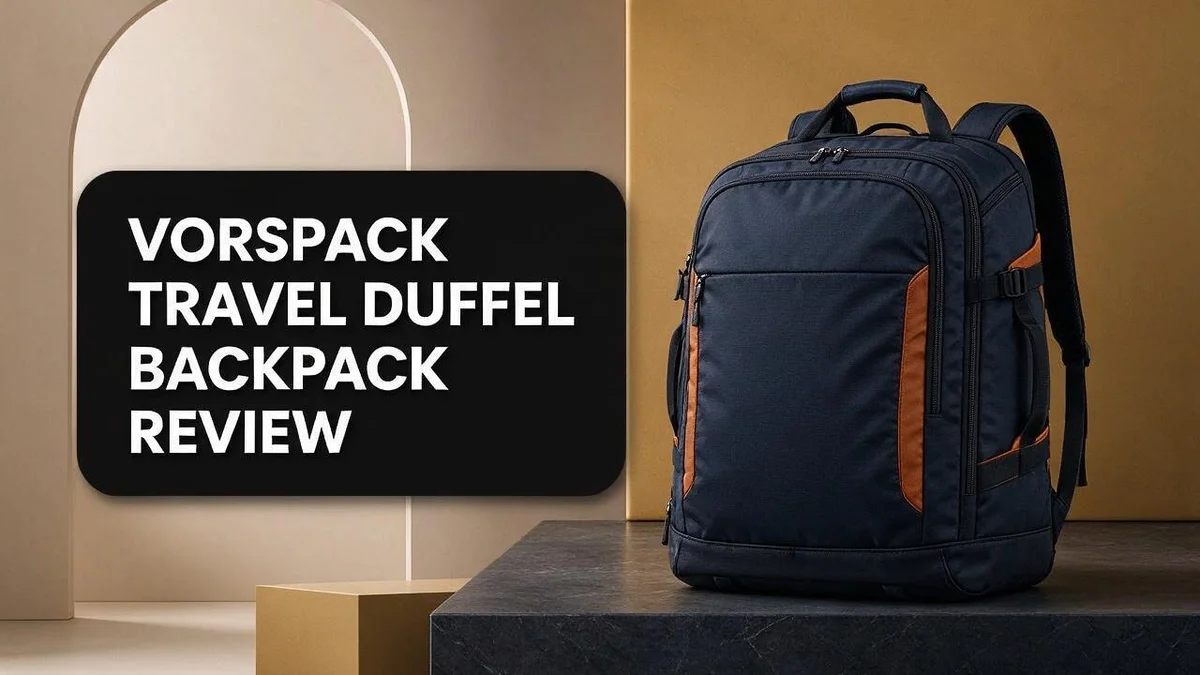
Vorspack Travel Duffel Backpack Review: Sizes, Features, and Who It Suits
Looking for a bag that handles weekend trips and gym days? The Vorspack Travel Duffel might be the answer you need.
It comes in several sizes. You can pick a compact 23L model, a 30 or 40L personal item option, or a huge 100L XL bag for long journeys.
Shoppers rate the bigger model highly. The 100L XL holds a 4.4 out of 5 rating from 1,710 reviews on Amazon CA.
Each size shares a simple goal. You get space, organization, and easy packing in one bag.
In this review, we break down the key specs. We also look at who the Vorspack duffel suits best, so you can decide fast.
In a Nutshell
-
Pick the size that fits your trip. The 20 inch foldable model suits quick getaways, while the 100L XL option handles longer trips and bulky gear with ease.
-
Look for a secure inner pocket. The 23L gym model includes a 9 by 8 inch interior security pocket, which keeps small valuables separate from sweaty workout clothes and everyday essentials.
-
Consider the high ratings. The 100L XL model earns a 4.4 out of 5 rating from 1,710 Amazon CA reviews, which signals steady satisfaction among buyers.
-
Check the carry style first. Product listings focus on duffel use, so test the straps yourself if you plan to wear the bag as a backpack.
-
Enjoy easy storage at home. Foldable designs take up less room in closets and under beds when you are not packing for a trip.
-
Review the full details carefully. Our research did not cover every pro and con, so compare each listing with your own travel and gym habits before you decide.
Build and Materials

- Foldable Duffle Bag: This travel bag expands to 26 x 12.5 x 11.5 inches and offers a 61L capacity while weighing...
- Separate Shoe Compartment: The right side features a dedicated shoe compartment spacious enough for basketball...
Last update on 2026-10-23 / Affiliate links / Images from Amazon Product Advertising API
A bag’s build shapes how it handles real trips. Good construction keeps your gear safe and your shoulders comfortable.
The Vorspack line uses a lightweight design across its sizes. An empty bag weighs less, so you keep more room for clothes.
Length matters too. The 100L XL model measures 31.5 inches long when unfolded. That size fits bulky winter coats and sports equipment.
Inside, the layout shows careful planning. A separate pocket keeps small items apart from the main compartment.
Before you buy, inspect the build yourself. Look at the zippers first. Smooth zippers glide without snagging. Test the zipper pulls with both hands before you commit.
Check the seams next. Tight, even stitching suggests a bag that lasts longer. Loose threads often signal weak spots.
Run your hand along the base. A firm base keeps the bag standing when you set it down on wet pavement or a gym floor.
Pay attention to the handles too. Handles should attach firmly to the body of the bag. Tug them gently to test the grip.
Look at the corners. Corners take the most wear when bags bump against stairs, car trunks, and airport floors. Reinforced corners help the bag hold its shape.
Fabric details matter, but listings do not name the material. Ask the seller or check the label before you order. Clear answers help you judge durability with confidence.
Reading reviews can also reveal how the bag holds up over time. Read a few recent reviews and look for patterns. Repeated praise or complaints tell you more than a single opinion.
Keep your expectations realistic. A lightweight bag may feel less rigid than a heavy canvas option. Choose the balance that suits your routine.
Think about how you will use the bag each week. A gym trip puts different stress on a bag than a flight does. Matching the build to your habits helps you get the most use from it.
Capacity and Size Options
Capacity decides how much you can carry, so start with your usual packing list. Write down what you bring on a typical trip. This quick step helps you pick the right size.
Match the size to your trips. Short gym sessions need far less room than a week away. A smaller bag keeps your load light and easy to manage.
The 23L gym model works well for daily training gear. Shoes, a towel, and a water bottle fit inside with room to spare. Its compact frame suits small spaces at home and in the car.
The 30 and 40 liter model suits overnight stays and short work trips. Pack light clothes, a charger, and toiletries, and you are set. It keeps your packing simple when you need only a few days of gear.
The 20 inch foldable duffel comes in four size options. This gives you more control over how much room you need. Choose the option that matches your usual loads.
The 100L XL model opens up for long journeys. It measures 31.5 by 16.5 by 11.8 inches when unfolded. Listings also show a 150L label, so confirm the exact version before you order.
Measure your space first. Check the trunk, overhead bin, or closet shelf at home. Compare those numbers with the bag size on the listing. This simple check prevents surprises at the door.
Think about weight as well. A larger bag holds more, and it can feel heavy fast. Stop packing when the bag feels hard to lift.
Leave some room for souvenirs or dirty laundry on the way home. A bag packed to the top can strain zippers. Give your gear space to breathe.
Plan your packing by trip length. Pack the basics first, then add extras. This order keeps the bag balanced and easy to carry.
Interior Organization and Security
Interior organization decides how fast you find your things on the road. A clear layout keeps clothes, tech, and toiletries from mixing together.
Think about your packing style first. Some people prefer one open space for bulky items. Others like small sections that sort gear by type.
Heavy items belong in the middle of the bag. This placement keeps the load balanced and makes the bag easier to carry.
Security starts with smart zipper habits. Keep the main compartment zipped while you move through crowds.
Look for zippers that accept a small lock. A lock adds a simple barrier against quick grabs.
Keep valuables in the secure pocket. Store your passport, phone, and travel documents there. Everything stays in one easy spot.
Small items need a home too. Keys, earbuds, and charging cables often disappear in a large space. A small pocket or pouch keeps them found.
Separate damp gear from dry clothes. Wet swimwear or sweaty workout clothes can spread odor. Use a zip bag to keep them apart.
Packing cubes can help. They group clothes into neat stacks and make unpacking simple at the hotel. Choose cubes that match the size of your bag.
The interior lining should feel smooth against your items. Rough lining can snag delicate fabric or sunglasses. Run your hand inside before you commit.
Test every zipper before you travel. Open and close each one several times. Smooth movement shows the teeth line up well. Snagging zippers cause trouble on a long trip.
Shake out the interior after each trip. Crumbs, sand, and dust collect in the corners. A quick clean keeps the bag fresh for next time.
Do a trial pack at home. Fill the bag with your usual items and check the fit. You can spot problems before the trip starts.
Good organization makes every trip calmer. A bag with a clear plan removes guesswork. You spend less time digging and more time enjoying the journey.
Top 3 Alternatives
Osprey Farpoint 40

- TRAVEL PACK: Perfect for your next globetrot, this crowd-favorite travel pack features focused organization...
- CARRY-ON READY: Skip the baggage claim—this bag meets most carry-on size requirements. Always check with your...
Last update on 2026-10-23 / Affiliate links / Images from Amazon Product Advertising API
Looking for a bag that handles long trips? The Osprey Farpoint 40 is a strong pick.
It has a sturdy frame and a zip-off daypack. Travelers love how it fits in overhead bins. Its hip belt also adds support on long walks.
Patagonia Black Hole Duffel

- Black Hole Duffel 100L 49353 PATAGONIA Black One size Unisex adult
Last update on 2026-10-23 / Affiliate links / Images from Amazon Product Advertising API
Want a duffel that can take a beating? The Patagonia Black Hole Duffel is built for rough use.
Its tough fabric resists water and wear. You can carry it by hand or wear it on your back. It also works well as a gym bag.
Peak Design Travel Duffel
No products found.
Prefer a bag that keeps your gear neat? The Peak Design Travel Duffel offers smart organization.
Removable dividers keep clothes and shoes apart. Its clean design looks sharp in any setting. The bag opens wide for easy access.
Each option suits a different traveler. Pick the one that matches your trip style and gear needs.
Packability and Portability
Packability and portability decide how easily a bag fits into your travel plans. Both matter most when you move from home to station, airport, or hotel. A bag that packs small and carries well saves you time and energy.
Start with the empty bag. A foldable design takes up far less space in a closet or suitcase. Tuck it away until your trip begins, and it will not crowd your home.
Next, compare the size with your transport rules. Airlines and trains set their own limits for cabin bags. Check the listed dimensions against those limits before you travel, so you avoid a surprise at the gate.
Now think about the full load. A bag can look small when empty but feel heavy once packed. Pack your usual gear and lift it. Walk around the room for a minute and notice how it feels.
Carrying comfort matters on busy days. You may lift the bag into overhead bins, carry it up stairs, or walk through a crowded station. Look for clear details on handles and carrying options before you buy. Listings do not always explain how the straps or grips feel, so read customer comments for real feedback.
Pay attention to how the bag balances. A bag that sits low and close to your body feels easier to carry. A bag that swings away from you can strain your shoulder fast.
Plan the walk from door to gate. Most trips include a long stretch on foot. Think about the distance between your front door and your transport. Your bag should feel manageable for that whole walk, not just the first few steps.
Keep one hand free when you can. A bag that lets you grab a ticket, a phone, or a coffee makes travel calmer. Choose a size that leaves room for these small moments.
Test your routine before you travel. Carry the packed bag to a bus stop or down a hallway. Set it on a bed and pick it up again. Small tests show you how the bag will behave on the road.
Customer Ratings and Feedback
Shoppers often check star ratings before they buy a travel bag. The Vorspack Travel Duffel line earns good marks from buyers on Amazon CA. Reading these numbers helps you set clear expectations.
The 100L XL model holds a rating of 4.4 out of 5 from 1,710 reviews. That large pool of feedback gives you a strong sense of how most owners feel. The score feels reliable because so many people shared their experience.
The 30 and 40 liter model scores 4.3 out of 5 from 42 reviews. Fewer reviews mean the score may shift as more buyers share their thoughts. Still, the rating shows that buyers feel positive about this option.
Star ratings also help you compare models side by side. The larger model has more reviews, so its score carries more weight. The smaller model still earns a strong score, which suggests steady approval.
Why does the gap in review counts matter? A larger sample shows patterns over time. A smaller sample offers a fresh snapshot. Both views help you decide.
Read the written comments, not just the stars. Look for phrases that repeat across several reviews. A repeated remark about zippers or stitching tells you more than a single five star score.
Look at the lower star reviews with care. Some low ratings come from unmet expectations rather than product faults. Read them to learn what the bag does not do well, then decide if that matters for you.
Watch for reviews that mention a specific trip type. A review about a weekend in the city may match your plans better than a review about a long hiking trip. Match the experience to your own routine.
Check the date of each review too. Newer feedback often reflects the product as it sells today. Older comments may describe earlier versions, so give recent buyers extra attention.
Finally, use the ratings as one tool among many. Stars show how people feel overall. They do not reveal every detail about fit or fabric. Pair your reading with your own needs, such as how often you travel and how far you walk. Strong scores and many reviews suggest a dependable choice.
Pros and Cons
Pros
- Lightweight build keeps the bag easy to lift.
- The foldable design saves space when the bag is empty.
- Four size options let you match the bag to your trip length.
- The interior security pocket gives valuables a dedicated spot.
- Sizes range from a 20 inch small duffel to a 100L XL model.
Cons
- Strap details are not listed, so backpack carry is unclear.
- Many size options can make it harder to pick the right model.
- The 100L XL model may feel bulky for quick weekend trips.
- Some listings show mixed capacity labels, such as 100L and 150L.
Who Should Buy It
Frequent travelers on short trips may like this bag most. They often want one bag for a gym session, a weekend visit, and a quick flight. A single duffel can handle all three when the size matches the trip.
Students who travel home on weekends can also benefit. A smaller model may fit tight storage spaces in dorms and lockers. It keeps daily gear organized without filling the whole room.
Families and group travelers need a different plan. One person may pack for several people at once. In that case, the largest model often makes more sense than a small duffel.
Gym-goers who carry clothes and gear for training sessions may find a medium option useful. The bag can hold a change of clothes, a towel, and a water bottle. Many people prefer this setup for early morning workouts.
Road trippers who pack a car may want more space. Bulky items like jackets, pillows, and sports equipment take up room quickly. A larger model gives those items a place to rest.
Commuters who stay overnight at a friend’s home can keep a change of clothes packed and ready. The bag can sit in a car or closet between trips.
Anyone who likes packing light should choose a smaller size. Less stuff means less to manage on the go. A compact model keeps the trip simple.
Hikers and outdoor fans should look closely at the details. The listings focus on size and features, so outdoor users should read the full product page before they decide.
New travelers often feel unsure about what to bring. A simple duffel with clear sizes can make packing feel easier. Start with a smaller model and move up later if needed.
The best choice depends on your normal routine. Think about how often you travel, how much you pack, and where you carry the bag. Pick the size that fits those habits, not the one that looks biggest.
Final Verdict
Our final take is simple. This bag suits people who want flexibility. It works best for short trips, gym visits, and quick stays away from home.
Before you buy, measure your usual luggage space. Compare the bag size with airline carry on limits, since rules often differ by carrier.
Pack a test load at home. Fill the bag with your normal items and carry it for a few minutes. This shows how it feels when full, not just when empty.
Consider your typical trip length. Count the days, then add a few extra outfits for surprises. This simple step helps you choose a size with confidence.
Check airline weight rules as well. Some carriers set strict limits, and a full bag can exceed them quickly.
Place heavier items near the bottom and keep lighter clothes on top. This keeps the bag steady when you carry it.
When the bag arrives, check the zippers, handles, and seams. Good construction matters more than a long feature list.
Also read the seller return policy. A clear return window lets you test the bag without stress.
Think about your daily habits. Do you carry heavy gear, or do you pack light? Your answer points you to the right size.
Soft duffels work well for clothes and gear. However, hard shell cases protect fragile items better, so consider that need too.
Finally, trust your own needs over trends. A bag that fits your routine beats a popular model you rarely use.
Store the bag in a dry closet when you are not using it. Wipe off dust and spills quickly so stains do not set in.
In short, this bag offers a practical mix of space and portability. Pick the size that fits your routine, and you will likely feel confident with your choice.
Frequently Asked Questions
How many reviews support this bag?
Shoppers rate the 100L XL model 4.4 out of 5 from 1,710 reviews. The 30/40L model earns 4.3 out of 5, but it has only 42 reviews. A larger sample gives you more confidence in the score.
Is the review score enough to trust?
Scores help, but read the lowest rated reviews too. Look for repeated complaints about zippers, seams, or handles. Patterns in those comments tell you more than the average score alone.
Where can I find the exact measurements?
Check the product listing before you order. The 23L model measures 20 by 9.5 by 9.5 inches. The XL model unfolds to 31.5 by 16.5 by 11.8 inches, so compare these numbers with your luggage space.
Should I contact the seller about straps?
Yes, send a quick message before you buy. The listings do not confirm whether backpack straps are included. A clear answer from the seller helps you decide if this bag fits your daily carry needs.

Zoro is a passionate traveler and gear enthusiast dedicated to helping fellow adventurers find the perfect travel products for their journeys. With years of hands-on testing and research, he provides honest, detailed reviews to make your packing decisions easier.


