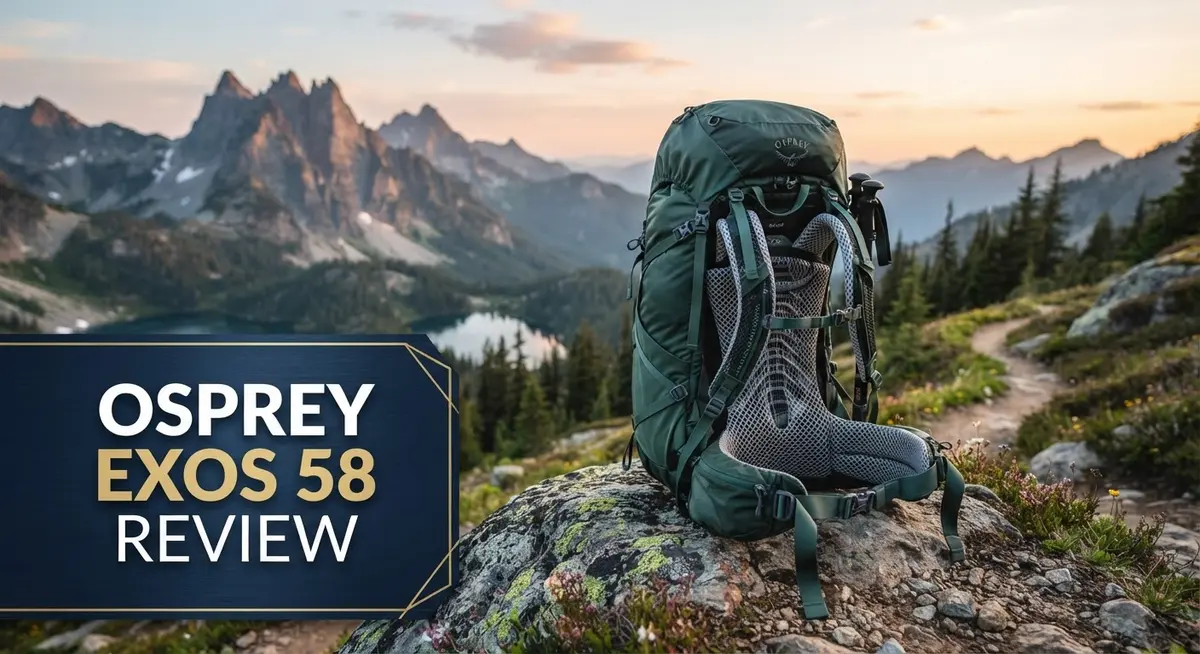
Osprey Exos 58 Review: Ultralight Backpack for Multi-Day Hiking
Planning a multi day hike? Your backpack choice can make or break the trip. The Osprey Exos 58 stands out as a top pick for thru hikers and backpackers alike.
This pack weighs just 2 lbs 13.4 oz. That makes it one of the lightest framed packs on the market today.
But light weight is not its only strength. The Exos 58 offers excellent ventilation on long sweaty climbs. It also gives you a comfortable carry, even with heavy loads.
Hipbelt pockets keep snacks within reach. Shoulder strap pockets fit your phone perfectly. Wide mouth loading means packing gets easy and fast.
Does this pack deliver on all its promises? We tested the Exos 58 on real trails. Here is our honest, in depth review of its performance, comfort, and durability.
In a Nutshell
The Osprey Exos 58 is built for hikers who want comfort on long trails. It balances a light frame with smart features. Here is what stands out.
- Ventilation is a highlight. The mesh back panel keeps your back cool, even on sweaty climbs.
- Wide mouth loading makes packing simple. You can grab gear fast without digging around.
- Shoulder strap pockets fit your phone perfectly. No more stopping to dig through your pack.
- Tie off points let you attach extra gear outside. This helps when your pack is already full.
- Some hikers find the fit tricky at first. The hipbelt may need adjusting to sit right.
- A few users feel the weight shifts oddly once loaded. This can make the pack feel heavier on your hips.
Overall, this pack suits hikers who value airflow and smart storage. It may take a few trips to dial in the perfect fit. Once adjusted, it becomes a reliable trail companion for multi day adventures.
Build and Materials
The Exos 58 uses 100-denier nylon as its primary fabric. This material strikes a balance between durability and weight savings. Nylon resists abrasion on rocky terrain and holds up well against branch snags.
Osprey engineered this pack with ultralight construction in mind. The frame system keeps total weight remarkably low. You get a rigid support structure without the bulk of heavier packs. The lightweight design means less strain on your shoulders during long days.
The hipbelt features reinforced padding that sits comfortably on your hips. Pockets on both sides hold snacks, maps, or small gear. The belt attachment points are sturdy and won’t sag under load. Adjustment straps let you customize the fit to your body shape.
Shoulder straps use soft foam padding. The material breathes well and doesn’t dig into your shoulders. Smartphone pockets sit at the perfect height for quick access. Tie-off loops along the pack exterior give you flexible attachment points for trekking poles, sleeping pads, or extra layers.
The pack mouth opens wide for easy loading. This design reduces frustration when packing and unpacking. Internal organization includes a brain compartment at the top. Mesh pockets line the interior for small items.
The ventilation system uses an open mesh back panel. Air flows between your back and the pack frame. This keeps you cooler on warm days and reduces sweat buildup. The panel flexes with your movements instead of staying rigid.
One design choice worth noting: the pack shifts weight differently than traditional models. Once fully loaded, the center of gravity moves forward slightly. This takes some adjustment if you’re used to other packs. Proper hipbelt fitting helps minimize this effect.
The construction quality shows attention to detail. Seams are reinforced at stress points. Zippers run smoothly and feel reliable. The materials will handle repeated use on rugged trails without falling apart quickly.
Overall, Osprey built the Exos 58 for hikers seeking a lightweight pack that doesn’t sacrifice comfort or storage. The material choices and construction methods support this goal effectively.
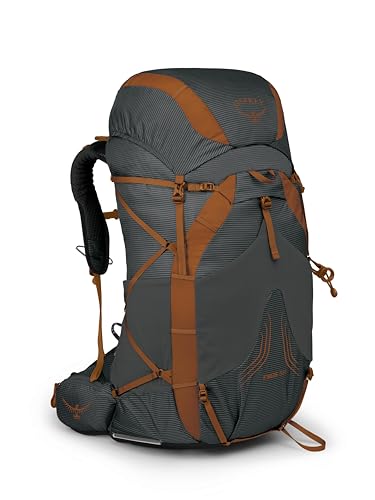
- Hipbelt Pockets - Two hipbelt pockets for easy on-the-go access to necessities
- Adjustable Airspeed Suspension - Injection-molded ladder adjustment system provides 4" of torso adjustability

Last update on 2026-10-23 / Affiliate links / Images from Amazon Product Advertising API
Comfort and Fit
The Exos 58 shines when it comes to how it feels on your back during long hikes. The pack wraps around your torso with soft foam padding on the shoulder straps, which reduces pressure points after hours of walking. Your shoulders stay comfortable even when the pack carries a full load.
The hipbelt is where real comfort happens. Reinforced padding sits snugly on your hips and transfers most of the weight away from your shoulders. This design choice matters because it protects your neck and upper back during multi day trips. You need to adjust the hipbelt properly though. A loose hipbelt ruins the whole experience, so take time to get it right before hitting the trail.
Ventilation keeps your back dry and cool. The open mesh back panel allows air to flow between your body and the pack, which prevents that clammy feeling you get with other packs. This feature becomes especially valuable on warm weather hikes or steep climbs where sweat builds up quickly.
One thing to know: the pack’s weight distribution feels different from traditional designs. Some hikers notice the center of gravity shifts once you load it up. This can make the pack feel heavier than its actual 2 lbs 13.4 oz weight suggests. The sensation fades as you adjust to the pack’s unique balance, but it’s worth expecting on your first outing.
The shoulder straps sit at an angle that works well for most body types. They don’t dig into your collarbones, and they stay in place without constant readjustment. The strap design keeps your arms free for trekking poles or scrambling over rocks.
Overall comfort depends on proper fitting. Spend time adjusting all the straps before your hike. The pack rewards users who take this step. Once dialed in, the Exos 58 delivers a comfortable experience that lets you focus on the trail instead of your gear. Your back will thank you on day three of a long adventure.
Capacity and Organization
The Exos 58 holds 58 liters of gear. This capacity works well for trips lasting two to four days. You can fit a sleeping bag, tent, and clothes without struggling.
Osprey designed the organization around smart compartments and pockets. The main compartment opens with a wide mouth. This means you can pack from the top down easily. No cramming gear through a tiny opening.
The pack includes multiple storage zones. The top lid pocket holds items you need quickly. Your sunscreen, lip balm, or map goes here. Side pockets on the hipbelt keep snacks within arm’s reach. You grab food without removing your pack.
Shoulder strap pockets fit a smartphone perfectly. These sit at chest height. You access your phone without digging into main compartments. Some hikers use these pockets for energy gels or keys instead.
The pack features tie-off points on the exterior. These loops let you attach a trekking pole, sleeping pad, or wet jacket outside. This keeps damp items away from dry clothing inside. The exterior attachment system adds flexibility without adding weight.
One design element affects how you pack. The weight distribution feels different from traditional packs. Gear sits closer to your body. This changes how the pack feels when loaded. Most hikers adjust quickly. A few find it takes time to find their rhythm.
The opening design also matters for organization. You can access the main compartment from the top. Some packs offer side zippers. The Exos 58 keeps things simple. This simplicity means fewer seams. Fewer seams mean fewer potential failure points.
Compression straps run along the sides and front. These straps cinch down your load. A smaller load feels more stable. The straps also provide external attachment points for gear.
The hipbelt pockets are generous for a lightweight pack. They hold more than you’d expect. Most hikers can fit a full water bottle in one pocket. The other pocket takes snacks or a small camera.
Overall, the organization system balances simplicity with function. You get enough pockets and compartments for a multi-day trip. The layout encourages efficient packing without overwhelming you with options.
Top 3 Alternatives
Deuter Aircontact Lite
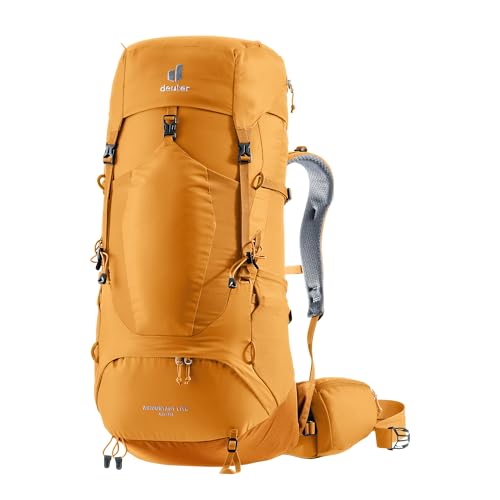
- USE CASE: The Aircontact Lite 40 + 10-liter-by-volume backpack designed for ambitious long-distance hikers who...
- AIRCONTACT BACK SYSTEM: The essence of our Aircontact system ensures an efficient method of carrying heavy loads...
Last update on 2026-10-23 / Affiliate links / Images from Amazon Product Advertising API
The Deuter Aircontact Lite offers a lightweight alternative for hikers who want comfort without extra weight. This pack features a flexible back system that adapts to your spine. The ventilation channels keep air flowing between your back and the pack.
You get multiple compartments for organizing gear. The hip belt distributes weight efficiently to your hips rather than your shoulders. Side pockets hold water bottles or snacks within arm’s reach.
Gregory Baltoro
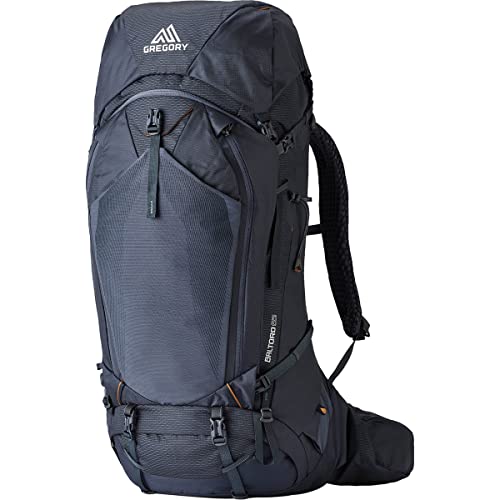
- FreeFloat A3 suspension system with dynamic flex panels and auto rotating shoulder straps that move with the...
- AirCushion foamless back panel promotes airflow, helps reduce pressure points, and supports moisture-wicking for...
Last update on 2026-10-23 / Affiliate links / Images from Amazon Product Advertising API
The Gregory Baltoro stands out for serious backpackers tackling long trails. This pack includes advanced load-bearing technology that shifts weight naturally as you move. The suspension system adjusts to fit different torso lengths.
The main compartment opens wide, making packing easier. You’ll find plenty of exterior attachment points for extra gear. The hip belt is padded generously for all-day comfort on demanding treks.
Arc’teryx Bora
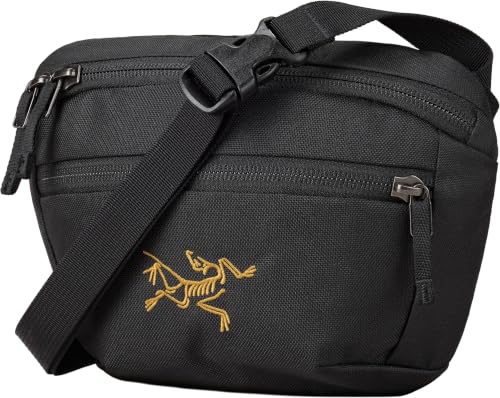
- Mantis 1 Waist Pack: Versatile 1.5L waist pack
- Trail: For technical mountain activities, durable and protective designs with a focus on freedom of movement for...
Last update on 2026-10-12 / Affiliate links / Images from Amazon Product Advertising API
The Arc’teryx Bora appeals to minimalist adventurers seeking simplicity and durability. This pack uses lightweight materials without sacrificing strength. The design focuses on essential features rather than unnecessary extras.
The back panel breathes well during hot weather climbs. Compression straps hold your load stable and secure. You get quick-access pockets for items you need frequently during your journey.
Each option serves different hiking styles. The Deuter works best for day trips and moderate loads. The Gregory excels on multi-day expeditions with heavier gear. The Arc’teryx suits ultralight enthusiasts who value minimal bulk. Your choice depends on trip length, terrain difficulty, and personal comfort preferences.
Weight and Portability
The Osprey Exos 58 weighs just 2 pounds, making it one of the lighter framed packs available. This ultralight construction means you carry less weight uphill and feel fresher at camp. The pack achieves this low weight through careful material selection and smart engineering choices.
Portability matters on the trail, and this pack delivers. At 2 pounds, the Exos 58 stays out of your way during long backcountry trips. You’ll notice the difference when you’re climbing steep terrain or hiking at high elevation. Every ounce counts, and Osprey understood that principle when designing this pack.
The 100-denier nylon fabric keeps the pack light without sacrificing durability. This material resists tears and abrasion on rocky terrain. You get a pack that handles rough conditions while staying packable and easy to carry.
One important note about weight: the pack’s weight distribution feels different from traditional designs. Once loaded, some hikers report that the center of gravity shifts in unexpected ways. This means the pack might feel heavier than its actual weight suggests. Proper hipbelt adjustment helps minimize this effect. When fitted correctly, the pack sits comfortably on your hips and shoulders.
Carrying comfort depends on fit. The shoulder straps use soft foam padding and sit at an angle that works well for most body types. The reinforced hipbelt padding transfers most weight to your hips, where your body handles it best. This design keeps your shoulders from bearing too much load.
The wide mouth opening makes the pack easy to load and unload. You can pack it quickly at the trailhead or reorganize gear at camp without struggle. Compression straps run along the sides and front, letting you cinch down your load and improve stability.
For backpackers seeking a lightweight option, the Exos 58 offers genuine portability. You get a pack that weighs nearly nothing while still providing the comfort and organization multi-day trips demand. The trade-off is learning how to pack it properly and adjust the hipbelt for your body.
Ventilation and Load Management
The Osprey Exos 58 manages load in a way that feels different from most packs you’ve used before. The open mesh back panel creates space between your back and the pack itself. This gap lets air flow freely, keeping sweat from pooling during long climbs.
Here’s what happens with the ventilation system. Your back stays cooler because moisture escapes quickly. The mesh design also means less direct contact with the pack fabric. Many hikers notice this difference immediately when they put it on.
Load management works through the pack’s frame design. The frame sits slightly forward compared to traditional packs. This positioning shifts how weight feels across your shoulders and hips. Some users love this approach. Others need time to adjust their packing strategy.
The hipbelt plays a critical role in load distribution. Proper adjustment is essential for comfort on multi-day trips. When fitted correctly, the hipbelt carries most of your load, not your shoulders. This means your back and neck experience less strain over time.
One thing worth knowing: the pack’s weight distribution requires you to pack thoughtfully. Heavy items should sit close to your spine, roughly at mid-back height. This positioning keeps the center of gravity stable and prevents the pack from pulling you backward.
The compression straps running along the sides and front help manage shifting loads. Tightening these straps keeps your gear from moving around as you hike. Movement inside the pack creates discomfort and wastes energy.
The ventilation and load system work together. Better airflow means you can carry heavier loads without overheating. The mesh back panel doesn’t just cool your back. It also supports the frame’s ability to distribute weight evenly.
For backpackers tackling multi-day trips, this system shines. The Exos 58 keeps you comfortable even when fully loaded. The key is taking time to fit the pack properly and pack strategically. Once you dial in your setup, the load feels balanced and manageable mile after mile.
Pros and Cons
Pros
- Excellent ventilation keeps you cool even when carrying substantial loads on multi-day trips
- Lightweight frame design makes this pack one of the easier options to carry on long distances
- Wide mouth opening lets you load and unload gear quickly without struggling
- Generous hipbelt pockets provide easy access to snacks, maps, and other essentials
- Smartphone sized shoulder strap pockets keep your device secure and within reach
Cons
- Shifted center of gravity makes the pack feel heavier than its actual weight suggests
- Complicated design features may overwhelm users who prefer simpler, more straightforward packs
- Hipbelt requires careful adjustment to achieve the comfort level you’re looking for
Who Should Buy It
The Osprey Exos 58 works best for specific backpacker types. If you tackle multi-day trips regularly, this pack fits your needs well. Ultralight backpackers who count every ounce will appreciate the 2 pound frame.
Technical hikers benefit most from this pack. You need some packing experience to maximize its features. The pack’s design assumes you know how to organize your gear efficiently. Beginners might find the setup overwhelming at first.
Solo backpackers love this pack more than group hikers do. You’ll carry less shared gear, so the 58L capacity works perfectly for independent trips. The pack shines on trips lasting three to five days in mild weather.
Summer and shoulder season backpackers get the most value. The ventilation system keeps you cool during warm months. Winter mountaineers might want something with more insulation options. The pack works in cold weather, but it’s not optimized for extreme conditions.
If you prefer simple, straightforward gear, look elsewhere. This pack has multiple features and adjustment points. You’ll spend time learning its systems. Experienced backpackers appreciate the customization options.
Weight conscious hikers should seriously consider this pack. Every pound matters on long distance trails. The lightweight frame makes a real difference over multiple days. If you carry heavy loads regularly, other options might suit you better.
The Exos 58 works great for people who pack light. Minimalist backpackers find this pack ideal. You’ll need to practice smart packing habits though. The pack rewards careful gear selection and organization.
Tall backpackers should note the sizing options. The pack comes in different sizes to fit various torso lengths. Getting the right fit matters for comfort and load management. Visit a store to try it on if possible.
Ultimately, this pack targets experienced ultralight backpackers. You should feel comfortable with gear systems and weight management. The pack delivers excellent performance when used correctly. If you match this profile, the Exos 58 deserves serious consideration for your next adventure.
Final Verdict
The Osprey Exos 58 earns its spot among the best ventilated backpacks on the market. Its frame design keeps your back cool and your gear organized across multiple days on the trail.
This pack suits hikers who want a balance between light weight and real support. The 100 denier nylon build holds up well against rough trails and rocky terrain.
Compared to the Osprey Eja 58, its female specific counterpart, the Exos 58 offers the same ventilation benefits with a fit built for different body types. Both share the same reliable frame system.
Against the Granite Gear Perimeter 50 and Blaze 60, the Exos 58 stands out with its airflow design. Granite Gear packs focus more on raw capacity than cooling comfort.
The Mystery Ranch Radix 57 brings tougher materials to the table, but it weighs more. If comfort during long miles matters most, the Exos 58 wins here.
Ultralight purists might lean toward the ULA Circuit or Granite Gear VC Crown 2. These packs shave off more ounces but sacrifice the frame support the Exos 58 provides.
Every pack involves tradeoffs. The Exos 58 trades a bit of simplicity for better airflow and smart organization features. That tradeoff pays off for most multi-day backpackers.
Who should buy this pack? Anyone tackling long trails in warm weather will appreciate the cooling design. Hikers who already understand how framed packs work will get the most value from its features.
Who should skip it? Beginners wanting a no-fuss setup may find other packs easier to use right away.
In short, the Osprey Exos 58 delivers where it matters most: comfort, airflow, and smart storage. It earns a strong recommendation for backpackers ready to put in the miles.
Frequently Asked Questions
Does the Exos 58 work for beginners?
The Exos 58 has a learning curve. New backpackers might find the design overwhelming at first. Start with shorter trips to understand how the pack’s features work together.
Once you get comfortable, the pack becomes intuitive. The wide mouth opening helps beginners load gear more easily than traditional packs.
How does ventilation compare to other technical packs?
The Exos 58 excels at keeping air flowing between your back and the pack. This airflow system beats many competitors in warm weather performance.
The Granite Gear Perimeter 50 offers decent ventilation but doesn’t match the Exos 58’s cooling power. The Mystery Ranch Radix 57 prioritizes durability over airflow, so it runs warmer on your back.
What’s the real difference between the Exos 58 and Eja 58?
The Eja 58 is the women’s version. Both packs share the same ventilation technology and overall design philosophy.
The main difference lies in the torso length and hipbelt shape. Women typically prefer the Eja’s contoured fit. Men and those with narrower frames usually choose the Exos.
Can this pack handle winter backpacking?
The Exos 58 shines in warm months. Winter backpacking requires different priorities like insulation and weather protection.
The ventilation that makes this pack excellent for summer becomes a disadvantage in cold weather. Consider heavier, more protective packs for winter trips. The Exos 58 works best from spring through fall.
Is 58 liters enough capacity?
Fifty eight liters suits light packers perfectly. If you carry minimal gear and use ultralight equipment, this capacity feels spacious.
Heavy sleepers or those who pack bulky items might feel cramped. The Granite Gear Blaze 60 offers slightly more room if you need extra space.

Zoro is a passionate traveler and gear enthusiast dedicated to helping fellow adventurers find the perfect travel products for their journeys. With years of hands-on testing and research, he provides honest, detailed reviews to make your packing decisions easier.