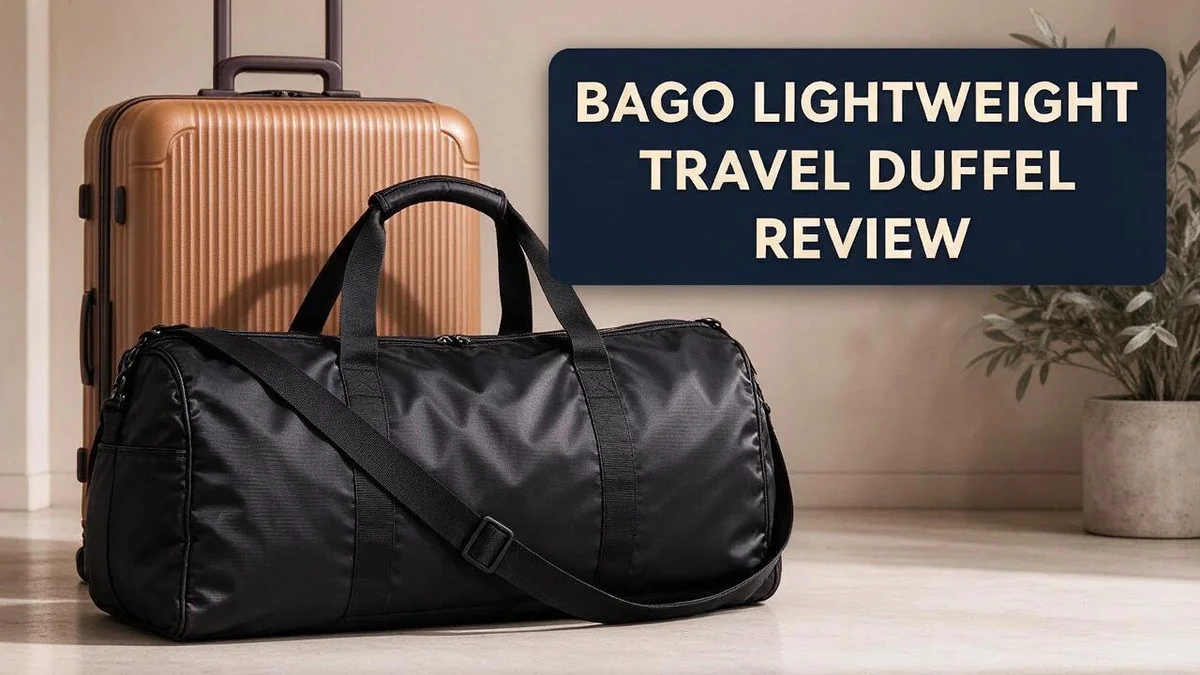
Bago Lightweight Travel Duffel Review: Weight, Capacity, and Carry-On Performance
Packing light sounds simple, but it rarely feels that way. Many travelers end up with bags that are heavy, bulky, or hard to store. The Bago Lightweight Travel Duffel aims to solve that problem.
Good news for frequent flyers. This duffel weighs about 400g, according to the manufacturer. It folds down small, so it can slide into a carry on bag or sit neatly in a closet at home.
The bag offers a capacity of 85L and a durable, waterproof, tear resistant build. Shoppers on Amazon.ca give it 4.2 out of 5 stars from more than 12,000 reviews.
Is this duffel the right pick for your next trip? Keep reading to see what it does well, where it could improve, and how it compares to other options.
In a Nutshell
• Built for quick trips: The Bago duffel folds down small and packs away with ease. Many travelers can slip it inside a carry on bag. This makes it handy for short getaways and weekend trips.
• Strong early feedback: Shoppers on Amazon.ca give this duffel a 4.2 out of 5 rating. That score comes from more than 12,000 reviews. A sample that large gives buyers useful insight.
• Zipper concerns: The research found no reports of zipper problems. The manufacturer makes this claim, so it helps to inspect the zippers yourself. Check them before a long trip.
• Capacity details vary: The brand lists 85L, while the Bago Large listing shows 80L. Check the exact model name and size before you choose. Small differences can matter when you pack for a longer stay.
• Competitor comparison: The Osprey Porter 60 and classic backpacking packs are the main rivals named in the research. A backpack may suit hikers better. A duffel often suits people who want easy carrying.
• No cons found: The research did not uncover any clear drawbacks. Still, read recent reviews to see how it fits your own needs. Your travel habits will shape your final verdict.
Build and Materials
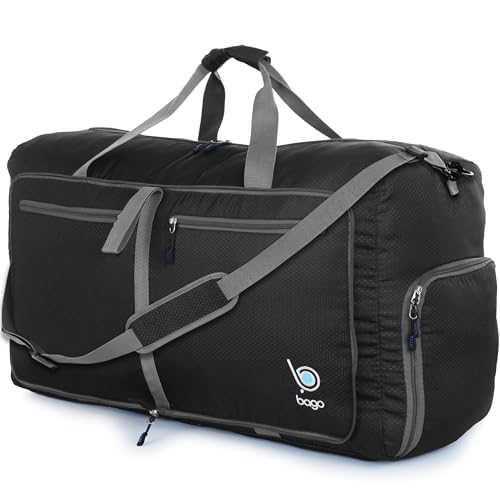
- Versatile duffle bag men and women rely on for travel. Designed as a travel duffel bags with thin, flexible fabric...
- Spacious, medium duffel bag women choose for organized packing. Designed as travel duffle bags for women managing...
Last update on 2026-10-23 / Affiliate links / Images from Amazon Product Advertising API
The build starts with how the bag feels in your hands. A duffel that folds small must still hold its shape when full. This section explains what to look for and why it matters on real trips.
The research does not name the exact fabric or lining. Shoppers should check the product page for material details before they buy.
A bag that folds flat relies on soft panels. Soft panels bend easily, so the bag slides into a suitcase without much fuss.
Handles and straps take the most stress. Check where the handles join the body. Strong stitching in those spots matters most when the bag is packed tight.
Seams reveal a lot about quality. Run a finger along the seams. Neat, even stitching usually shows careful sewing. Loose threads can signal weak spots that may grow over time.
The base also deserves a close look. A firm base helps the bag stand on its own. It also protects the contents when you set the bag on hard floors.
Corners often wear first. Bags get dragged across airport floors. Look for extra fabric at the corners. Extra layers there often handle rough floors better.
Think about how you will carry it. A duffel may sit on your shoulder for hours. Check whether the strap feels comfortable with a full load.
Practical checks beat listing claims. Manufacturer statements give a starting point. Lift the bag, pack it, and fold it again. This simple test shows how the build handles daily use.
Tip for frequent flyers: Pack heavier items near the center. Place soft clothes on the outside. This keeps the handles from carrying too much strain.
Overall, the build suits short trips and weekend breaks. Taking a few minutes to test the bag can save frustration later.
Capacity and Packability
Capacity sounds like a simple number on a label. Real packing tells a different story, though. The best way to judge space is to test it yourself.
Lay everything out first. Place clothes, shoes, and toiletries on the floor. Then see how much of the bag they fill.
Rolling clothes saves room. Rolled shirts and pants take less space than folded ones. They also wrinkle less during the trip.
Shoes need their own spot. Pack them at the base or in a shoe bag so they do not dirty your clothes.
Plan for the return trip. Most travelers bring back more than they carried out. Leave a little room for souvenirs, gifts, or a rain jacket.
Check the airline size rules. Many airlines set limits for carry on bags and checked luggage. A duffel that packs well still needs to meet those limits.
Packing cubes can help you stay organized. Group socks, tops, and chargers into separate cubes. Then you can pull out one cube without unpacking the whole bag.
Think about weight distribution. Heavy items belong near the back panel, close to your body. This keeps the bag comfortable on your shoulder.
A full duffel can feel awkward when packed unevenly. Balanced loads sit flatter and move more easily through crowded airports.
Pack a little less than you think. Most trips need fewer clothes than people expect. A lighter load gives you room to move and keeps the bag easy to lift.
Consider a daily bag. Some travelers pack a small daily bag for sightseeing. Keep essentials there, such as water, a phone, and sunscreen. This keeps the main duffel closed until you reach your hotel.
Final tip: pack a small pouch for cables and medicine. It stops items from rolling loose inside the main compartment.
Packing well makes every trip smoother. A bag that holds its shape and closes easily makes the whole journey easier.
Weight and Foldability
Weight shapes how a bag feels all day. The brand claims this duffel weighs about 400 grams. That number is worth checking yourself.
Grab a kitchen scale at home. Weigh the empty duffel. Write down the result before you pack.
Why does this matter? Many airlines and trains set weight limits. Some staff weigh bags right at the gate.
A light empty bag leaves more room for your load. You can carry more clothes within the same limit.
Foldability depends on how you fold it. Start by emptying every pocket. Lay the bag flat on a table.
Press out the air first. Fold both sides inward. Then roll the bag from one end to the other.
Roll tightly and tuck the handles inside. A tight roll keeps the bag thin and easy to slide into a pack.
Try this test at home. Fold the duffel three times in a row. Notice whether the seams stay neat.
Repeated folding shows how well the material recovers. Good material springs back without lasting creases.
Foldable bags also help with storage. A flat bag fits in a closet, a drawer, or a car trunk.
Folded size matters more than the number on a box. Measure the folded bag with a ruler. Compare it to your luggage space.
Keep one rule in mind. A light bag feels great until it fills up. Weight rises fast once you add shoes, books, or gifts.
Test the full weight too. Pack your usual trip load and lift the bag. Notice how long your arm feels fine.
Lifting practice helps too. Carry the packed duffel from the car to the front door. Switch arms halfway through. This shows whether the handles feel comfortable.
A lighter bag also helps on stairs and crowded trains. You move faster and stay steady with less effort.
Top 3 Alternatives
Choosing a travel bag takes a little time. These three duffels are strong options, and each one suits a different style of travel.
Patagonia Black Hole Duffel

- Black Hole Duffel 100L 49353 PATAGONIA Black One size Unisex adult
Last update on 2026-10-23 / Affiliate links / Images from Amazon Product Advertising API
The Patagonia Black Hole Duffel is a favorite for many travelers. It is made from recycled nylon and it handles rain well. It holds a lot of gear without feeling heavy. You can also carry it as a backpack when you need your hands free.
Best for weekend trips and gear-heavy adventures.
Osprey Daylite Duffel

- VERSATILE CARRY OPTIONS: Featuring backpack, over-the-shoulder and grab-and-go carry options for effortless...
- ACCESSIBLE STORAGE: Large U-zip main compartment, small end zippered pocket, and large horizontal side zippered...
Last update on 2026-10-23 / Affiliate links / Images from Amazon Product Advertising API
The Osprey Daylite Duffel is light and simple to pack. It folds down small, so it fits easily in a carry-on bag. Many people love its clean design and easy access zippers. A front pocket keeps small items within reach.
Best for short trips and daily use.
Eagle Creek Migrate Duffel

- Versatile Carrying: The Eagle Creek Migrate Duffle Bag has a convertible backpack straps tuck away for duffel...
- Easy Access: Wide-mouth opening with lockable zipper and internal storm flap ensures quick packing and protects...
Last update on 2026-10-23 / Affiliate links / Images from Amazon Product Advertising API
The Eagle Creek Migrate Duffel helps you stay organized. Its layout keeps your clothes and toiletries in separate areas. Smart pockets make it easy to find things fast. Its compact shape also fits well in overhead bins.
Best for people who like to pack with a plan.
Each bag offers something different. Think about how you travel, and pick the duffel that fits your trips best.
Water and Weather Resistance
Water and weather resistance matter more than many shoppers expect. A travel bag spends time on wet platforms, in taxi trunks, and under sudden rain. It also faces heat, dust, and cold air on the same trip.
The brand describes this duffel as waterproof. That claim is a good starting point, but it comes from the manufacturer. The research did not include independent water tests, so the claim is worth checking yourself.
Think about where rain hits first. Water usually reaches the top zipper, the front pocket, and the upper side panels. Check these areas after a light shower to see how the bag responds.
A simple home test helps you judge the claim. Fill the bag lightly and spray it with a garden hose or sprinkle water across the surface. Wipe the outside, then look inside for damp spots.
Keep valuables in a sealed pouch. Electronics, passports, and paperwork deserve extra protection. A zip top bag adds another layer, even when the duffel performs well. Worn zippers can let moisture in over time, so inspect them now and then.
Weather beyond rain matters too. Hot car trunks, humid hotel rooms, and cold tarmacs can change how a bag feels. Store the duffel in a dry spot after a wet trip. Let it air out before you pack it away.
Dirt, sand, and road salt also wear down fabric. Wipe off grime with a damp cloth. Dry the bag fully before folding it. Trapped moisture can cause odors and mildew.
Resistance to tearing helps during rough travel days. The research lists this as a manufacturer claim as well. Still, sharp edges, overpacking, and rough baggage belts can test any material. Handle the bag with care.
Bottom line: this duffel looks well suited for light rain and everyday travel weather. Pack sensitive items in sealed pouches. Test the bag at home before a big trip so you know what to expect.
Zippers and Hardware
Zippers play a big role in daily use. You open and close the bag many times on every trip. A smooth zipper keeps the bag easy to use.
The research reports no zipper problems. The brand makes the same claim. Still, you should check the zipper yourself before you travel.
Start with the main zipper. Run it slowly from one end to the other. Listen for snags or grinding sounds. A good zipper glides without force.
Check the pull tabs next. Make sure they feel sturdy in your hand. Loose or thin tabs can break under a full load. Give each tab a gentle tug.
Hardware includes handles, buckles, and clips. These parts take the most stress when you lift the bag. Give each one a firm tug. Feel for wobbling or loose stitching around the base.
Shoulder strap hardware deserves attention too. Clips and rings should lock tight and release easily. Test both actions with the strap attached and removed. Repeat the test a few times to see how it feels.
Pay close attention to the zipper ends. Stitching at those points often shows wear first. Check that the end stops sit firmly and do not pull away from the fabric.
Keep the zipper clean and dry. Grit from sand or dirt can jam the teeth. A soft brush helps clear debris from the track. Never force a stuck zipper, because forcing it can bend the teeth.
Quiet hardware also matters on busy trips. Metal parts that clink can rub against other items. Many travelers prefer fewer loose parts for a calm carry. Look for smooth edges that will not scratch your gear.
Here is the bottom line. The research shows no reported zipper trouble, and no cons appear in the findings. Your own check matters most. A short test at home gives you confidence before the trip.
Pros and Cons
Pros
– Shoppers rate it 4.2 out of 5 on Amazon.ca.
– The rating comes from more than 12,746 reviews.
– It folds down small enough to fit inside a carry-on bag.
– Its light build suits quick trips and short getaways.
– Many buyers can judge it from a large pool of feedback.
Cons
– The research found no reported cons from reviewers.
– Capacity numbers differ, with one listing at 85L and another at 80L.
– Most durability claims come from the brand, not independent tests.
– Long term wear reports are limited, so lasting performance remains unclear.
Who Should Buy It
This duffel suits people who dislike heavy bags. Commuters, students, and frequent flyers feel every extra gram. A bag that weighs around 400 grams leaves more room for the things that matter.
Weekend travelers are a strong match. They pack light, move quickly, and want one bag for a few days away. Slinging it over a shoulder for a train ride or a short flight feels easy.
Gym lovers and yoga students may also like it. They can carry clean clothes, shoes, and a water bottle without a bulky sports bag. It also works as a spare bag for sports days.
Owners of a large suitcase often want a second bag too. This duffel can ride along inside a bigger case until needed. Then it comes out for day trips, market visits, or a quick overnight stay. Think of it as a backup that never takes up much room.
Some shoppers should look elsewhere. Hikers who need a frame and a hip belt will want a real pack. The Osprey Porter 60 is built for carrying weight on the back, which this duffel does not aim to do.
Heavy packers should think twice too. Those who fill bags to the top on every trip may want a sturdier build for dense loads. Textbooks, camera gear, or winter layers can test any soft bag. Overpacking any soft bag can stretch its shape quickly.
Field workers, nurses, and couriers who move all day may also benefit. Lifting and carrying gets easier with less weight. Frequent stops and short shifts make a light bag a helpful partner.
Ask yourself a few honest questions. How often do you travel? How heavy do you pack? Will you carry the bag by hand, on the shoulder, or on the back? Your answers point to the right choice.
Final Verdict
Is this the right bag for you? Read this final section before you click buy. A short checklist can save you from regret later.
Start with your typical trip. Think about the last three trips you took. Did you need more than one bag? Did you check a bag at the gate?
Test the fit at home. Pack your usual clothes into the duffel. Carry it for a few minutes. Notice whether the weight feels fair on your shoulder or hand.
Plan your packing style. Roll your clothes and use small pouches. This keeps the interior tidy and makes the most of the space.
Consider your backup options. If you own a rolling suitcase, this duffel can serve as a personal item or a daily tote. Lean on it for quick overnight stays.
Set a clear expectation. Treat it as a simple travel companion, not a rugged expedition pack. Its strengths shine on city trips, weekend escapes, and gym days.
Watch for real world wear. Check reviews after several months of use. Later feedback often tells a fuller story than launch day photos.
Make a quick decision. If your trips stay short and your bag stays light, this duffel deserves a spot on your list.
Keep your alternatives close. Compare it with a backpack if you walk long distances between gates. A pack with structure may suit you better on rough terrain.
Watch the return trip too. Pack the bag once more before you leave. Check that the closure sits flat and the bag still lifts easily after a full load.
Think about souvenirs too. A foldable bag gives you room to carry gifts home without adding a second bag.
Final thought. A good bag fits your habits. This one fits people who move fast and pack light. Choose it with confidence if that describes you.
Frequently Asked Questions
Can I hike with this duffel?
Not really. It has no frame and no hip belt. For long trail days, a true backpack works better.
How does it compare with the Osprey Porter 60?
The Osprey Porter 60 is a classic backpacking pack built for heavier loads. This Bago duffel suits lighter packing and quick city trips. Choose the Porter for trails and the Bago for short getaways.
Is the zipper reliable?
Research found no reported zipper problems. That claim comes from the manufacturer, so real owner feedback matters. Read reviews from people who have used the bag for a while.
Can I carry heavy items in it?
It handles light loads well. Heavy loads can feel uncomfortable when carried by hand or over the shoulder. Keep heavy items like books or boots to a minimum.

Zoro is a passionate traveler and gear enthusiast dedicated to helping fellow adventurers find the perfect travel products for their journeys. With years of hands-on testing and research, he provides honest, detailed reviews to make your packing decisions easier.