Airless Vacuum Kit Review: Save Space & Travel Smarter
Are you tired of struggling to fit everything into your suitcase? Do you wish you could pack more clothes without paying for extra luggage? Airless vacuum kits have become a game changer for travelers and home organizers alike.
These innovative storage solutions promise to save up to 60-80% of space by removing air from sealed bags. But do they really work?
In this detailed review, we will explore everything you need to know about airless vacuum kits. You will discover how they work, their benefits, top products on the market, and whether they are worth your money.

Key Takeaways
Space Saving Power: Airless vacuum kits can reduce the volume of your clothes and bedding by 60 to 80 percent. This means you can pack more items in your suitcase or create extra storage space at home.
Protection for Your Belongings: These bags create an airtight seal that protects your clothes from moisture, dust, bugs, and odors. Your items stay fresh and clean during storage or travel.
Portable and Rechargeable: Modern airless vacuum kits come with rechargeable electric pumps. You don’t need to find a vacuum cleaner. The portable pump works anywhere and makes the process quick and easy.
Durable and Reusable: High quality vacuum bags are made from thick, tear resistant materials. You can use them multiple times for different trips and storage needs without worrying about damage.
Versatile Applications: These kits work great for travel packing, seasonal clothing storage, bedding organization, and maximizing closet space. They solve multiple storage problems at once.
What Is an Airless Vacuum Kit
An airless vacuum kit is a complete storage solution. It includes special bags and a pump device. The bags are made from thick plastic material. They have a special valve that lets air out but not back in. The pump removes air from inside the bags. This creates a vacuum effect.
When you place clothes in these bags and remove the air, the volume shrinks dramatically. A bag full of sweaters that normally takes up a lot of space becomes flat and compact. The compression happens because air takes up space between fabric fibers. Remove the air and the clothes compress tightly together.
These kits differ from regular storage bags. Normal plastic bags trap air inside. Airless vacuum bags eliminate almost all the air. The result is maximum space savings. The bags also seal completely. This protects contents from external elements like water, dust, and insects.
Most modern kits include a rechargeable electric pump. Older versions required a household vacuum cleaner or manual hand pump. The electric pumps make the process faster and more convenient. You can use them anywhere without needing a power outlet or vacuum cleaner nearby.
The technology is simple but effective. The bags feature a one way valve system. When you attach the pump and turn it on, air flows out through the valve. The valve automatically closes when you remove the pump. This keeps the vacuum seal intact. Some bags also have a rolling method where you manually press out air without a pump.
How Airless Vacuum Kits Work
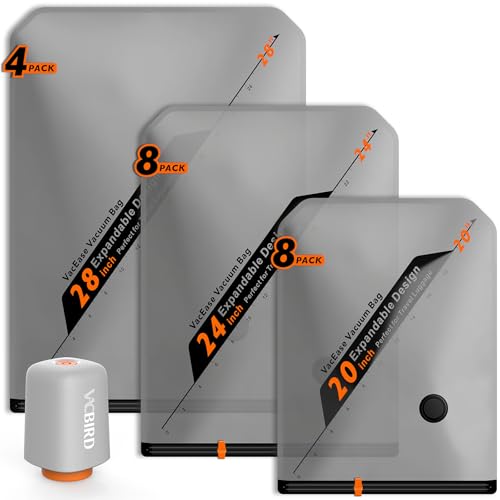
- 1800mAh Wireless Pump – No Outlet!: Fast 3-sec vacuum, Type-C/wireless charging. 100+ uses per charge (vs. corded pumps that tether you to a...
- Three Custom Sizes for Every Need:Small( 8 x 20") , Medium(8 x 24" medium), Large(4 x 28" large) to fit clothes, blankets and travel essentials...
Last update on 2026-07-24 / Affiliate links / Images from Amazon Product Advertising API
The working principle behind airless vacuum kits is straightforward. You start by folding or rolling your clothes neatly. Then you place them inside the vacuum bag. Make sure not to overfill the bag. Leave some space near the opening for proper sealing.
Next you close the zipper seal on the bag. Most bags have a double zipper or slider mechanism. This ensures a tight seal that prevents air from leaking back in. Some bags include a special clip that slides across the zipper to reinforce the seal.
After sealing the bag, you attach the pump nozzle to the valve. The valve is usually a round opening on the bag. The pump creates suction that pulls air out of the bag. As air leaves, you will see the bag slowly deflate and compress. The clothes inside flatten and take up much less space.
The entire process takes just a few minutes. Electric pumps work faster than manual ones. Most electric pumps can deflate a large bag in under two minutes. The pump has sensors that stop automatically when enough air has been removed. This prevents over compression that could damage the bags.
The vacuum seal stays intact for weeks or months. The quality of the seal depends on the bag material and valve design. High quality bags maintain the vacuum longer. Some air may slowly seep back in over time. But the compression remains effective for typical storage and travel periods.
When you need your clothes again, simply open the valve or zipper. Air rushes back in and the bag expands. Your clothes return to their normal shape. Some wrinkling may occur. But most fabrics bounce back quickly or can be smoothed with an iron or steamer.
Benefits of Using Airless Vacuum Kits
The primary benefit is space optimization. You can fit significantly more items in your luggage. This is perfect for long trips where you need many outfits. It also helps you avoid checked baggage fees. More clothes in your carry-on means more money saved.
Protection is another major advantage. The airtight seal keeps moisture out. This is crucial for storing winter clothes during summer months. Mold and mildew cannot grow without air and moisture. Your clothes stay fresh smelling and ready to wear.
Dust protection matters for stored items. Regular storage bags allow dust particles to settle on clothes. Vacuum sealed bags prevent this completely. When you open the bag months later, your clothes look as clean as the day you packed them.
Bug prevention is a significant benefit. Moths and other insects cannot penetrate the sealed bags. This protects wool sweaters, blankets, and other natural fiber items from damage. No more unpleasant surprises when opening stored clothing.
The portability of modern kits makes them extremely practical. The rechargeable pump fits easily in your luggage. You can repack and compress items during your trip. This gives you flexibility if you buy souvenirs or need to rearrange your bags.
Cost savings add up over time. Avoid paying for extra checked bags on flights. Reduce the need for multiple storage containers at home. One set of vacuum bags can replace several large storage boxes. The initial investment pays for itself quickly.
Environmental benefits exist too. You reduce plastic waste by reusing the same bags multiple times. Quality bags last for years with proper care. This is better than buying disposable storage solutions repeatedly.
The bags offer versatility beyond travel. Use them for seasonal clothing rotation. Store bulky winter coats during summer. Pack away summer clothes in winter. This frees up closet space for current season items.
Top 3 Alternatives for Airless Vacuum Kit
Looking for other excellent options? Here are three top rated alternatives that offer similar benefits with different features. Each brings something unique to the table.
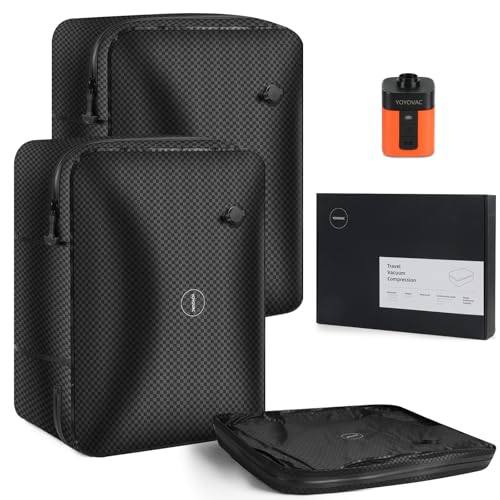
- 43L Max Capacity, Triple Your Luggage Space YOYOVAC's extra-large 43L vacuum compression bags and 4.5kPa wireless pump quickly compress bulky...
- Ultra-Durable, Airtight Materials & High-Frequency Heat Sealing Crafted with ultra-durable, high-performance airtight materials and...
Last update on 2026-07-24 / Affiliate links / Images from Amazon Product Advertising API
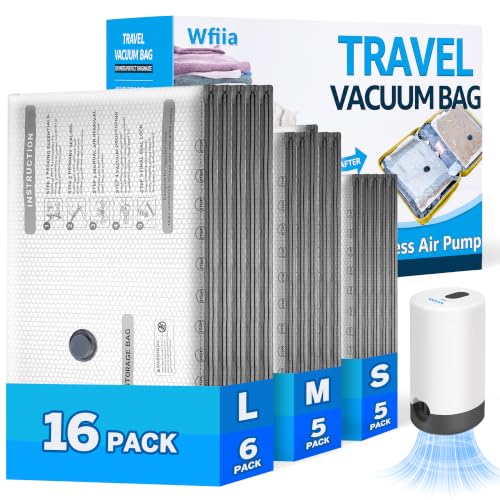
- Kindly Note: This travel vacuum bags Includes 15+1 bags (total 16 bags): 5 Small, 5 Medium, and 5 Large. Plus an extra refill Large.
- Cordless & High-Capacity Charging: Equipped with a robust 1500mAh battery, this wireless pump compresses up to 90 bags on a single...
Last update on 2026-07-24 / Affiliate links / Images from Amazon Product Advertising API
No products found.
These alternatives provide different size options and pump capabilities. Some include tracking devices or extra durable materials. Compare features to find what matches your specific needs best.
Features to Look for in Quality Vacuum Kits
Bag material quality determines durability and longevity. Look for bags made from thick, multi layer plastic. The material should feel substantial and resist tearing. Cheap thin bags develop holes quickly and lose their seal.
Double zipper seals provide better air retention. A single zipper can leak air over time. Two zipper tracks create a more secure closure. Some premium bags include a sliding seal mechanism that runs over the zipper for extra security.
Valve design affects pump compatibility and seal quality. Good valves have a firm rubber gasket. They should close tightly after removing the pump. Test the valve by pressing it with your finger. It should not let air pass through easily.
Pump power and battery life matter for convenience. A strong pump works faster. Look for pumps with at least 5000mAh battery capacity. This ensures you can compress multiple bags on a single charge. Quick charging capability is a bonus feature.
The pump should have multiple nozzle adapters. This allows it to work with different valve sizes. Some bags have unique valve designs. Universal adapters make the pump more versatile.
Bag size variety in the kit gives you flexibility. A good kit includes small bags for shirts, medium bags for pants, and large bags for jackets or bedding. Different sized bags help you organize items efficiently.
Look for water resistant or waterproof bags. This adds an extra layer of protection. Even if your luggage gets wet, the contents stay dry. This is especially important for travel in rainy climates.
Clear or semi transparent bags help you see contents without opening them. This speeds up packing and unpacking. You can quickly identify which bag contains what items.
Reusability rating indicates how many times you can use the bags. Quality bags should last 50 to 100 uses minimum. Check customer reviews for real world durability feedback.
Best Airless Vacuum Kits for Travel
Travel specific vacuum kits have certain characteristics. They come in compact sizes that fit standard luggage dimensions. The bags are designed to match carry-on and checked bag measurements. This ensures you maximize space without exceeding airline size limits.
Look for kits specifically marketed as TSA friendly. The bags should not interfere with security screening. Clear bags make inspection easier. Some travelers worry security might ask them to open vacuum bags. However, most TSA agents recognize these bags and rarely require opening them.
Lightweight construction is crucial for travel kits. Heavy bags add unnecessary weight to your luggage. Airlines have strict weight limits. Every ounce counts when you are near the limit.
Travel kits often include a smaller pump. The pump should fit easily in your suitcase without taking up too much space. It should also be lightweight but still powerful enough to compress bags effectively.
Quick compression time becomes important when you are repacking at your hotel. You don’t want to spend 30 minutes vacuum sealing bags. A good travel pump should compress a medium bag in under 90 seconds.
Some travel focused kits include compression without a pump. These bags let you roll out air manually. This eliminates the need to carry a pump at all. You simply seal the bag and roll it from the sealed end to the valve end. Air escapes through a one way valve as you roll.
Durability for rough handling matters in travel situations. Luggage gets tossed around during flights. The bags must withstand this treatment without tearing or losing their seal. Reinforced seams and thicker material help prevent damage.
Consider kits with a carrying case for the pump and bags. This keeps everything organized in your luggage. You won’t lose small pieces or damage the pump during travel.
Using Airless Vacuum Kits for Home Storage
Home storage applications differ from travel needs. You can use larger bags for bigger items. Storage duration is typically longer than a vacation trip. This means seal quality becomes even more important.
Seasonal clothing storage is the most popular home use. Pack away winter coats in spring. Store summer clothes in fall. This rotates your wardrobe and keeps closets uncluttered. Label each bag with contents and the season for easy identification.
Bedding storage saves tremendous space. Comforters, blankets, and extra pillows compress dramatically. A thick comforter that fills a large storage box can fit in a flat vacuum bag. Store these bags under beds or on high closet shelves.
Space under bed becomes usable with flat vacuum bags. Regular storage boxes don’t fit well under most beds. Compressed vacuum bags slide easily into this space. This is perfect for small apartments or bedrooms with limited closet space.
Kids outgrow clothes quickly. Use vacuum bags to store outgrown clothing for younger siblings or future children. The bags protect clothes from damage during long term storage. When you need them again, the clothes are clean and ready to use.
Moving and relocating becomes easier with vacuum bags. They reduce the number of boxes needed. Moving trucks charge by volume. Compressed bags mean you can fit more in a smaller truck. This saves money on moving costs.
Rarely used items like formal wear or specialty costumes can go in vacuum storage. These items take up closet space but get worn infrequently. Vacuum sealing them frees up room for everyday clothes.
Create a storage inventory system. Number each bag and keep a list of contents. This prevents you from opening multiple bags to find one item. Update the list when you add or remove items.
Long term storage requires checking bags periodically. Every few months, verify the seal is still intact. If air has seeped back in, simply reseal the bag. This maintenance keeps items protected year round.
Common Problems and Solutions
Air leaking back in is the most common complaint. This usually happens due to poor seal quality. Make sure you properly close the zipper before pumping. Run your hand along the zipper to confirm it is completely closed. Some bags have a slider tool that helps seal the zipper better.
Valve problems can cause leaks. Check that the valve cap is screwed on tightly after pumping. Some valves wear out over time. If a bag consistently loses air, the valve may need replacement. Many manufacturers sell replacement valves.
Bag tearing typically occurs at stress points. Don’t overfill bags beyond their recommended capacity. Sharp objects like belt buckles or shoe heels can puncture bags. Remove these items or wrap them in soft fabric first.
Pump not working can stem from several issues. Check that the battery is charged. Ensure the nozzle is properly attached to the valve. Clean the valve and nozzle connection points. Debris can prevent proper suction.
Some fabrics don’t compress well. Synthetic materials like polyester compress more than natural fibers. Wool and cotton contain more air between fibers. They compress but not as dramatically. Set realistic expectations based on fabric type.
Wrinkles and creases are inevitable with compression. Some fabrics wrinkle more than others. Linen and cotton wrinkle easily. Synthetic blends resist wrinkles better. Plan to steam or iron clothes after unpacking from vacuum bags.
Odor retention can occur if clothes aren’t completely clean before storage. Always wash and dry items before vacuum sealing. Any residual moisture or dirt can create odors. Add a scented dryer sheet to bags for freshness.
Difficulty reopening bags happens sometimes. The vacuum creates strong suction. Simply open the valve to let air back in. This releases the suction pressure. Then you can easily open the zipper.
Airless Vacuum Kits vs Regular Storage Bags
Regular storage bags are simple containers. They hold items but don’t compress them. You might fit 10 shirts in a regular bag. The same 10 shirts in a vacuum bag take up half the space. The compression factor is the key difference.
Protection levels vary significantly. Regular bags offer basic dust protection. They don’t seal completely. Air, moisture, and small insects can enter. Vacuum bags create an airtight barrier. Nothing gets in or out until you open the seal.
Durability requirements differ between the two. Regular storage bags can be thin since they don’t experience compression stress. Vacuum bags must be thick enough to withstand pressure. They need stronger seams and better materials.
Cost comparison shows vacuum bags are more expensive initially. A set of regular storage bags costs a few dollars. A quality vacuum kit costs 20 to 50 dollars. However, the space savings and protection features justify the higher price.
Ease of use depends on your needs. Regular bags are simpler. Just put items in and close them. Vacuum bags require the pumping step. This takes extra time but provides much better results.
Versatility goes to vacuum bags. You can use them for travel, home storage, and organization. Regular bags work mainly for basic storage. They don’t help with travel space constraints.
Reusability is similar for both if you buy quality products. Cheap versions of either type wear out quickly. Good vacuum bags and quality regular storage bags both last for multiple uses.
For long term storage, vacuum bags win. The airtight seal provides superior protection. Regular bags work fine for short term or less critical storage needs.
How to Choose the Right Vacuum Kit Size
Size selection depends on your primary use case. Travel kits need smaller bags that fit in luggage. Home storage kits can include very large bags for comforters and coats.
Small bags work for underwear, socks, and accessories. They typically measure around 16 by 20 inches. These are perfect for organizing small items in your suitcase or dresser.
Medium bags fit shirts, pants, and light sweaters. Sizes around 24 by 32 inches are common. These are the most versatile size. They work for both travel and home storage.
Large bags handle jackets, heavy sweaters, and multiple items. Expect dimensions around 32 by 40 inches. Use these for bulky clothing or when packing many items together.
Extra large or jumbo bags are for bedding and very bulky items. These can measure 40 by 60 inches or more. They are primarily for home storage rather than travel.
Multi size variety packs offer the best value. You get different sizes in one purchase. This gives flexibility for various items. Most kits include 10 to 20 bags in assorted sizes.
Consider your luggage dimensions when choosing travel bag sizes. Measure your suitcase interior. Select bags that fit flat on the bottom or sides. This maximizes space usage.
Think about item grouping. Do you want to pack all shirts together or create complete outfit packages? This affects size selection. Larger bags hold more items. Smaller bags allow better organization.
Weight distribution matters for travel. Multiple smaller bags let you balance weight throughout your luggage. One giant bag puts all weight in one spot. This can make your suitcase awkward to carry.
Tips for Packing with Vacuum Bags
Clean everything first. Never vacuum seal dirty clothes. Stains set in over time. Odors intensify in sealed environments. Wash and completely dry all items before packing.
Fold strategically before placing items in bags. Neat folding creates even compression. Messy packing leads to lumpy bags that don’t compress well. Take time to organize items inside the bag.
Don’t overfill bags. Leave the top quarter of the bag empty. Overstuffed bags are hard to seal properly. They also stress the seams and may tear. Less is more for compression effectiveness.
Remove sharp objects or protect them. Belt buckles, jewelry, and shoe embellishments can puncture bags. Wrap these items in soft fabric or place them in separate bags.
Group similar items together. Pack all shirts in one bag, pants in another. This makes unpacking easier. You can find what you need without opening multiple bags.
Label your bags clearly. Use a permanent marker or label maker. Write contents and destination on each bag. This saves time when you need specific items.
Place bags strategically in luggage. Put compressed bags at the bottom of your suitcase. Place uncompressed items or shoes on top. This prevents pressure on vacuum seals.
Bring the pump if you plan to repack during travel. You can compress dirty clothes for the return trip. This creates space for souvenirs or new purchases.
Test bags before your trip. Do a practice run a week before departure. This ensures all bags and pump work properly. You can fix any problems before you leave.
Pack a backup bag. Include one or two extra empty bags in your luggage. You never know when you might need additional storage.
Maintaining Your Airless Vacuum Kit
Clean bags after each use. Turn them inside out and wipe with a damp cloth. Remove any dirt, lint, or debris. Let them air dry completely before storing. Moisture trapped in bags can cause mold.
Store bags flat when not in use. Folding bags repeatedly can damage them. Flat storage prevents creases that might develop into weak points or cracks.
Inspect valves regularly. Check for cracks, tears, or wear. Clean valve areas to remove dust or debris. A clogged valve won’t seal properly. Replace damaged valves if the manufacturer offers replacements.
Charge pump batteries regularly even when not in use. Lithium batteries degrade if left completely discharged. Charge the pump every few months. This extends battery life.
Clean pump nozzles to maintain suction power. Dust and lint can clog the nozzle. Use a soft brush or cloth to clean it. Check that the nozzle fits snugly on valve openings.
Avoid extreme temperatures during storage. Don’t leave bags or pumps in hot cars or freezing garages. Extreme heat can warp plastic. Cold can make materials brittle.
Test seals periodically on stored bags. Check every month or two. If air has leaked back in, simply reseal. This prevents finding ruined items months later.
Replace worn out bags rather than trying to repair tears. Duct tape might seem like a fix, but it rarely works long term. Damaged bags compromise the entire system.
Keep pump firmware updated if applicable. Some smart pumps have firmware updates. Check the manufacturer website or app for updates. This can improve performance and battery life.
Store instruction manuals with your kit. You might forget specific details. Having the manual handy helps troubleshoot problems.
Environmental Impact of Vacuum Storage
Vacuum bags create less waste than multiple cardboard boxes. One set of reusable bags replaces dozens of single use containers. This reduces material consumption over time.
Energy efficiency comes from better space utilization. Compressed items mean fewer storage units needed. This reduces the energy spent on climate controlling storage spaces.
However, vacuum bags are plastic products. Most are made from polyethylene or nylon. These materials take time to decompose. Choose high quality bags that last many years. This minimizes replacement frequency.
Some manufacturers now offer recycled plastic bags. These use post consumer plastic waste. While still plastic, they give new life to existing materials. Look for this option if environmental impact concerns you.
Proper disposal matters when bags finally wear out. Check local recycling guidelines. Some areas accept this type of plastic in recycling programs. Others do not. Contact your waste management service for specific information.
The carbon footprint of production exists for any manufactured product. Vacuum bags require energy to produce. However, their space saving benefits can offset this. Fewer moving trucks and smaller storage facilities mean less overall fuel consumption.
Consider the alternative waste vacuum bags prevent. Without them, people might use multiple plastic bins or bags. They might rent storage units requiring construction and maintenance. Vacuum bags consolidate storage needs efficiently.
Repair rather than replace extends product life. If only the valve is damaged, replace just that part. Don’t throw away an entire bag. Many manufacturers sell replacement parts.
Some brands offer take back programs. Send old bags back to the manufacturer. They recycle or properly dispose of them. This creates a more circular economy model.
Price Range and Value Analysis
Budget vacuum kits start around 15 to 25 dollars. These typically include basic bags and a manual hand pump. Quality varies significantly in this price range. Some work fine for occasional use. Others fail quickly.
Mid range kits cost 30 to 50 dollars. These usually include better quality bags and an electric pump. The pump is rechargeable and has decent battery life. Bags are more durable with better seals. This price range offers the best value for regular users.
Premium kits run 60 to 100 dollars or more. They feature extra durable bags, powerful pumps, and additional accessories. Some include smart features like automatic pressure sensors. Premium kits make sense for frequent travelers or those with extensive storage needs.
Per bag cost decreases with larger sets. A 5 bag kit might cost 5 dollars per bag. A 20 bag kit might cost 2 dollars per bag. Buy larger sets if you know you’ll use them.
Pump quality significantly affects price. Manual pumps are cheapest but require effort. Basic electric pumps add 10 to 20 dollars. High capacity pumps with fast charging cost more.
Consider cost per use rather than just initial price. A 40 dollar kit used 20 times costs 2 dollars per use. A 20 dollar kit that breaks after 3 uses costs over 6 dollars per use. Quality pays for itself.
Replacement costs factor into total expense. Will you need to buy new bags each year? Or will they last 5 years? Durable bags justify higher upfront costs.
Avoided costs add hidden value. Skipping one checked bag fee saves 30 to 50 dollars. Not renting a storage unit saves hundreds yearly. The vacation kit pays for itself in one or two trips.
Watch for sales and bundle deals. Many retailers offer discounts during travel seasons. Black Friday and Prime Day feature good vacuum bag deals. Buying during sales maximizes value.
Real User Experiences and Reviews
Many users report significant space savings. One traveler shared fitting seven days of clothes in a carry on bag that normally held three days worth. The vacuum bags made the difference between checking a bag and carrying on.
Durability experiences vary. Some users praise bags that lasted years with frequent use. Others complain about bags tearing after one trip. Material quality clearly varies between brands. Read reviews carefully before purchasing.
Pump reliability gets mixed feedback. Most electric pumps work well initially. Some develop problems after months of use. Battery life degrades over time. Users recommend keeping the manual pump as backup.
Several reviewers mention wrinkle concerns. Delicate fabrics wrinkled significantly. Casual clothes like t-shirts and jeans fared better. Most users accept some wrinkling as a trade off for space savings.
Ease of use generally receives positive comments. First time users figured out the process quickly. Repacking during trips proved convenient. Children could help with the packing process.
Some travelers encountered TSA questions about vacuum bags. Most security agents waved them through. A few asked for closer inspection. No one reported being required to open sealed bags.
Odor protection pleased users storing seasonal clothes. Items stored for six months smelled fresh when reopened. Moth damage was prevented completely. This feature exceeded many users’ expectations.
A few users struggled with air leakage problems. Bags lost compression over several days. This frustrated travelers on long trips. Better quality bags maintained seals longer.
Value perception split between casual and frequent users. Occasional users questioned if the investment was worthwhile. Frequent travelers and those with storage needs praised the return on investment.
Frequently Asked Questions
Can you use vacuum bags without a pump?
Yes, many vacuum bags work without a pump. These bags have special valves that let you manually compress them. Simply seal the bag and roll it from the sealed end toward the valve. This pushes air out through the valve. The valve prevents air from flowing back in. Manual compression takes more time and effort than using a pump. It also may not achieve as much compression. But it works well for travel when you don’t want to carry a pump.
Do vacuum bags damage clothes?
Vacuum bags typically do not damage most clothes when used properly. However, certain delicate fabrics require caution. Down filled jackets and sleeping bags can lose their loft if compressed too long. Natural fibers like wool may develop wrinkles. Avoid vacuum sealing leather, fur, or very delicate materials. For regular cotton, polyester, and synthetic fabrics, vacuum bags are safe. Just don’t leave items compressed for extremely long periods like a year or more.
How long do vacuum sealed bags stay compressed?
Quality vacuum bags maintain compression for several weeks to months. Most bags keep about 80 percent of their compression for 30 days. Some air slowly seeps back in over time. Very high quality bags with excellent valves can stay compressed for six months or longer. For travel purposes of one to four weeks, compression remains very effective. If storing items for many months, check bags periodically and reseal if needed.
Are vacuum bags good for long term storage?
Vacuum bags work well for long term storage with some considerations. They protect against moisture, dust, and insects excellently. However, check bags every few months and reseal if air has leaked in. Don’t use them for items that shouldn’t be compressed long term like down products. For seasonal clothing, bedding, and most fabrics, they provide excellent long term protection. Store bags in a cool, dry place away from direct sunlight for best results.
Can TSA open vacuum sealed bags?
TSA agents can open any bag during security screening if they choose. However, they rarely require opening vacuum sealed bags. The bags are not prohibited by TSA. X-ray machines can see through them adequately. If an agent needs to inspect contents, they may ask you to open the bag. Most travelers report no issues with vacuum bags through airport security. Transparent bags make screening easier for agents.
What items should not go in vacuum bags?
Avoid vacuum sealing leather items as compression can damage them. Fur and suede also don’t belong in vacuum bags. Down filled items like certain jackets and sleeping bags lose their insulating properties when compressed long term. Very delicate fabrics with embellishments may get damaged. Items with sharp edges or hard decorations can puncture bags from inside. Damp or wet clothing should never be sealed as this promotes mold growth.
How do you fix a vacuum bag that won’t seal?
First check that the zipper is completely closed. Run your finger along the entire length to feel for gaps. Use the slider tool if included. Clean the zipper area with a damp cloth and let it dry. Dirt or debris prevents proper sealing. Check that the valve cap is tight. If the zipper is damaged, you may need to replace the bag. Some manufacturers sell bags individually if you don’t need to replace the entire set.
Can you wash vacuum storage bags?
Yes, most vacuum bags can be washed. Turn them inside out and hand wash with mild soap and warm water. Rinse thoroughly to remove all soap residue. Let bags air dry completely before using again. Never put vacuum bags in a washing machine or dryer. The agitation and heat can damage seals and valves. Clean bags regularly to prevent odor buildup and maintain hygiene.
Are expensive vacuum bags worth it?
Quality vacuum bags justify higher prices for regular users. They last longer, seal better, and resist tearing. Frequent travelers benefit from the durability. Cheap bags often fail after a few uses. This makes them more expensive per use despite lower initial cost. If you plan to use vacuum bags regularly, invest in quality. For occasional use once or twice a year, budget options might suffice.
How much weight do vacuum bags add to luggage?
Vacuum bags themselves add minimal weight. A typical medium sized bag weighs 2 to 4 ounces. The rechargeable pump adds 8 to 12 ounces depending on size. Remember that compression doesn’t reduce weight. It only reduces volume. Your clothes weigh the same compressed or not. You can fit more items in your luggage, but watch weight limits. Airlines care about both size and weight restrictions.

Zoro is a passionate traveler and gear enthusiast dedicated to helping fellow adventurers find the perfect travel products for their journeys. With years of hands-on testing and research, he provides honest, detailed reviews to make your packing decisions easier.