Aer Backpack Review: Build Quality, Design & Performance
Aer backpacks earn a loyal fan base among travelers and tech lovers. People love them for a good reason. These bags mix tough materials with smart design.
You might wonder if an Aer backpack fits your daily grind or next trip. This review breaks down everything you need to know.
We look at build quality first. Aer uses materials like 1680D Cordura and XPac fabric. These materials resist water and survive rough handling.
Next, we check organization. Every Aer bag packs in smart compartments. Your laptop, cables, and gear all get a dedicated spot.
Comfort matters too. The harness system on these packs spreads weight evenly. Your shoulders and back thank you after long days.
We also compare Aer to top rivals like Peak Design and Tom Bihn. You will see how this brand stacks up.
By the end, you will know if an Aer backpack deserves a spot in your gear collection. Let’s jump into the details and find out what makes this brand stand out.
In a Nutshell
Aer backpacks stand out for a few clear reasons. Here is a quick summary before we dive deeper.
-
Build quality is top notch. Aer uses materials like 1680D Cordura and XPac. These fabrics resist water and handle daily abuse well.
-
Organization is a strong point. Compartments are laid out for tech gear. Laptops, cables, and chargers all get dedicated spots.
-
Comfort holds up on long days. The harness system spreads weight evenly. Your shoulders and back feel less strain.
-
The look stays clean and minimal. No flashy logos or loud colors. It blends well in office settings and airports alike.
-
Weight is a real tradeoff. Sturdy materials add heft. You will notice this more on packed travel days.
-
Fabric stiffness limits flexibility. Some packs do not compress or squeeze into tight spaces easily.
Aer competes with brands like Peak Design and Tom Bihn in this space. Each brand offers a different balance of features. This summary gives you the core picture before we explore each point in detail below.
Material and Fabric Quality
Aer backpacks rely on serious fabric choices that set them apart from casual everyday packs. The brand sources 1680D Cordura, which is a ballistic nylon known for absorbing punishment. This material resists tears, punctures, and abrasion from rough handling at airports or on city streets. You get durability that lasts years, not months.
XPac fabric appears in select models and adds waterproof protection without bulk. This laminated material keeps rain and spills away from your gear. The fabric feels different from soft nylon—it has structure and holds its shape even when empty. Some travelers love this crisp feel. Others find it less forgiving when packing odd shapes.
Premium nylon rounds out the material mix in Aer packs. This fabric feels smoother and more flexible than Cordura. It shows up in linings and secondary panels where durability takes a back seat to comfort and packability.
Assembly quality matches the materials. Seams are reinforced at stress points. Stitching looks even and tight. Zippers are industrial grade and glide smoothly. Handles and attachment points use bartacking, a reinforcement stitch that prevents rips at high tension areas. You notice these details when you inspect an Aer pack in person.
The tradeoff sits in fabric stiffness. Cordura and XPac do not compress like soft fabrics do. Your pack maintains its shape even when half full. This helps organization but limits flexibility. If you need a pack that squeezes into overhead bins easily, stiffer materials may frustrate you.
Water resistance varies by model. XPac models lean toward waterproof performance. Cordura models offer water resistance but are not fully waterproof. Rain rolls off, but heavy downpours or submersion pose risks. Aer pairs these fabrics with quality zippers and sealed seams to boost protection.
The material story boils down to this: Aer prioritizes longevity and structure over lightweight packability. You get a pack built to survive years of travel and daily use.
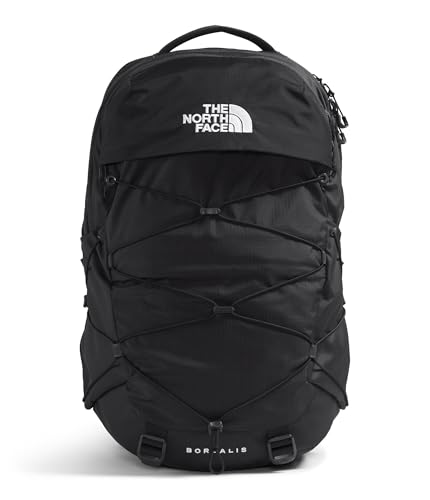
- CLASSIC EVERYDAY BACKPACK: Our classic Borealis features a bungee cord system for storage and compression and has compartments and pockets to...
- ERGONOMIC SUPPORT: Certified by the American Chiropractic Association, our FlexVent suspension system features articulated shoulder straps, a...

Last update on 2026-10-15 / Affiliate links / Images from Amazon Product Advertising API
Organization and Compartment Design
Aer backpacks shine when it comes to how they organize your gear. The compartment layout feels intentional and thoughtful.
Each pack includes a dedicated tech section. You get padded slots for laptops and tablets. Cable organizers keep cords from tangling. Small pockets hold chargers, adapters, and earbuds in their own spaces.
The main compartment opens wide. You can pack clothing, documents, or travel essentials without struggling. Aer avoids cramming too many pockets into one area. Instead, they spread compartments across the pack in smart locations.
Side pockets fit water bottles and quick grab items. Front panels hold everyday items you need fast. The design lets you find things without digging through everything. Laptop access happens from the back or side depending on your model. This matters if you work on planes or in cafes.
Expandable sections add flexibility. You can compress the pack when it is light or open it up for longer trips. The gusseted pockets adapt to what you carry.
One thing to note: the stiffer fabrics limit how much you can squeeze items in. Aer prioritizes structure over compression. Your pack keeps its shape, which protects gear inside. However, you cannot force extra items into tight spaces like you might with softer bags.
Internal dividers stay optional. Some models include them. Others let you add your own organizers. This approach gives you control over setup.
The organization system works best if you plan what goes where. People who like systems and order love this feature. Tech workers especially appreciate the cable management and device slots.
Aer also includes attachment points inside. You can clip smaller pouches or use carabiners to secure items. This prevents things from sliding around during travel.
The bottom line: Aer compartments are built for people who value access and protection. Everything has a place. Your gear stays organized and safe. The trade off is less flexibility for irregular shaped items or spontaneous packing styles.
Comfort and Harness System
The harness system on Aer backpacks deserves close attention. Aer engineered the shoulder straps to distribute weight across your shoulders and back evenly. This matters during long commutes or travel days when you carry the pack for hours.
The straps use padded sections that sit comfortably against your shoulders. They don’t dig in or create pressure points. The padding uses premium materials that match the overall build quality you see throughout the pack. Your shoulders stay supported without feeling squeezed.
The hip belt plays a key role in the comfort equation. It pulls weight down toward your hips instead of letting it rest entirely on your shoulders. This shifts load away from your neck and upper back. Many users report that the hip belt makes a real difference on longer trips. It takes strain off areas that fatigue quickly.
The back panel design adds another comfort layer. Aer shaped the panel to follow your spine’s natural curve. This creates space between the pack and your back. Air can flow through, which reduces sweat buildup on hot days. The panel stays firm enough to support the pack’s structure without sagging.
Strap adjustments are straightforward. You can tighten or loosen the shoulder straps and hip belt in seconds. The buckles and fasteners work smoothly. No fumbling required when you need quick adjustments.
One thing to keep in mind: the stiffer fabrics used in Aer packs affect how the harness feels initially. New packs may feel slightly rigid. They loosen up and mold to your body after a few uses. This break in period is short for most users.
The harness system works best when you pack intentionally. If you stuff the pack unevenly or overload one side, the straps can’t compensate perfectly. Balanced packing lets the harness do its job. The result is a pack that feels like an extension of your body rather than a burden. This comfort level sets Aer apart from casual daypacks and makes extended wear feel natural.
Top 3 Alternatives
Peak Design Travel Backpack
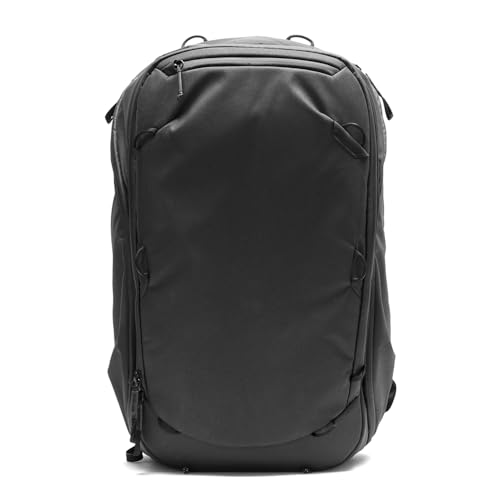
- TRAVEL BACKPACK 45L: Built for 1-bag travel, the 45L Travel Backpack offers intuitive organization, weatherproof protection, and expandable...
- DESIGNED TO ADAPT: Expandable from 35L to 45L, this carry on approved pack adjusts to fit your load. Side pockets expand to hold bottles or...
Last update on 2026-10-15 / Affiliate links / Images from Amazon Product Advertising API
Peak Design makes a solid carry-on backpack for travelers. The main compartment fits most laptops and holds clothes easily. You get multiple pockets to organize your gear. The straps feel comfortable even when packed full. Many users love the modular system that lets you add extra pouches. The backpack sits upright on its own, which is helpful at airport gates.
Bellroy Transit Backpack
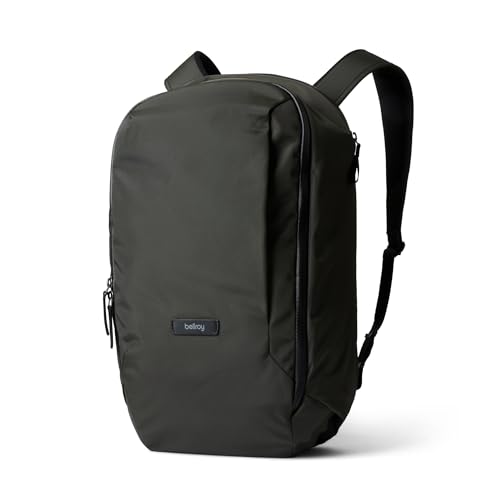
- Separate laptop section with internal pouch for accessories, holds devices up to 16”.
- Full-zip clamshell opens to reveal internal organization.
Last update on 2026-10-15 / Affiliate links / Images from Amazon Product Advertising API
Bellroy focuses on smart design and clean aesthetics. This backpack has a weather-resistant exterior that protects your items from rain. The interior layout gives you dedicated slots for tech gadgets and documents. The shoulder straps distribute weight well across your back. Side access lets you grab items without opening the main compartment. Users appreciate the minimalist look that works for business and leisure travel.
Nomatic Travel Backpack
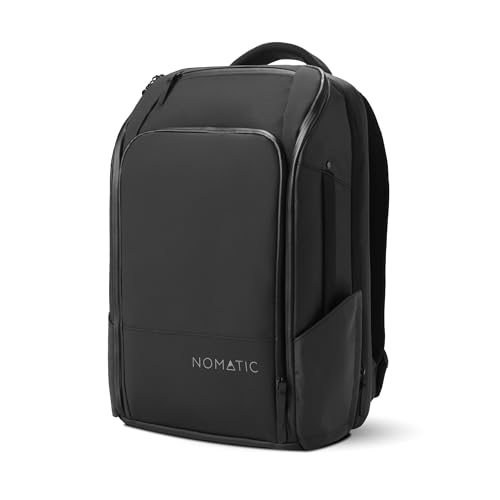
- Premium Mens Travel Backpack for Flights, Work & Everyday Use – This NOMATIC backpack works as a travel pack for men, business travel backpack...
- 20L Expandable to 30L for Carry On Travel – Converts from a slim 20L backpack to a roomy 30L traveling backpack for men, perfect for weekend...
Last update on 2026-10-15 / Affiliate links / Images from Amazon Product Advertising API
Nomatic built this backpack with frequent flyers in mind. The expandable design grows from day bag to overnight bag size. You get a laptop sleeve, water bottle holder, and passport pocket. The material feels durable and handles rough airport handling. Quick-access compartments keep your phone and keys within reach. Many travelers praise the organizational system that prevents items from shifting during flights. The backpack also works well for hiking and outdoor adventures beyond typical travel situations.
Weight and Portability
Aer backpacks carry noticeable weight compared to ultralight competitors. The Travel Pack 3 and City Pack 2 both use dense materials like 1680D Cordura and XPac fabric. These fabrics add durability but also add pounds to the overall pack.
You’ll notice the weight immediately when you first pick up an Aer pack. The construction quality contributes to this heft. Reinforced seams and premium materials mean the pack won’t fall apart, but it also means you’re carrying more than a flimsy alternative. This matters if you travel frequently or hike long distances.
The weight accumulates as you load your gear. An empty Aer pack already sits heavier than comparable bags from lighter brands. Once you add your laptop, clothes, and daily items, the load becomes substantial. This is the trade off: you get a pack built to last decades, not seasons.
Portability depends on how you distribute weight. The hip belt system helps move load toward your hips instead of your shoulders. This design reduces strain during extended wear. The padded shoulder straps absorb pressure points. Even with extra weight, the harness system keeps the pack comfortable for most users.
Air travel poses another consideration. Aer packs fit standard carry on dimensions, so airport security won’t reject them. The rigid structure means your pack won’t compress easily, which protects your contents but uses more overhead bin space. Soft bags from competitors might squeeze into tighter spots.
For daily commuting, the weight becomes less of an issue. You’re not moving the pack long distances. The comfortable harness handles moderate loads well. City dwellers and office workers rarely notice the extra heft.
Weekend trips and longer journeys require more thought. If you’re hiking or walking for hours, consider whether the durability benefits justify carrying extra weight. Ultralight packs weigh significantly less but sacrifice the structure Aer provides.
The bottom line: Aer prioritizes longevity and protection over featherweight portability. This choice appeals to people who keep packs for years and value organization over minimalism. If you switch bags seasonally or prioritize lightness, a different brand might suit you better.
Water Resistance and Weather Protection
Aer backpacks use materials that stand up to rain and splashes. The brand offers different fabric options to match your weather needs. Some models feature 1680D Cordura, which resists water damage. Other versions use XPac, a laminated fabric that blocks moisture completely.
Water resistance differs from waterproof protection. Water resistant fabrics shed light rain and minor spills. Waterproof fabrics keep water out during heavy downpours. Aer gives you both options depending on which model you choose. The Travel Pack 3 and City Pack 2 each handle moisture differently.
The XPac material performs best in wet conditions. This laminated fabric creates a barrier that stops water from entering your pack. Your electronics and documents stay dry even during storms. The premium nylon used in other models resists water but may not handle prolonged exposure.
Seams matter just as much as fabric choice. Aer pays attention to how seams are constructed. Poor seams let water seep through even with good fabric. Aer’s assembly process keeps moisture out at stress points. Zippers also play a role in weather protection. Quality zippers prevent water from leaking into compartments.
Real world testing shows Aer packs handle commutes in drizzle without issues. Light rain and wet conditions don’t damage your gear inside. Heavy rain or submersion requires more caution. You shouldn’t expect these packs to survive hours underwater.
The bottom compartment sits closest to ground moisture. Aer designed the base with water resistance in mind. Puddles and wet ground won’t ruin items stored there. The main compartment sits higher and stays drier.
One consideration: the stiffer fabrics used in Aer packs affect how water runs off. Rigid material doesn’t conform as easily, which actually helps water roll away. Flexible fabrics might trap moisture in folds. Aer’s structural approach provides an unexpected benefit here.
For daily commutes and weekend trips, these packs provide solid weather protection. Serious backpacking in extreme rain may require additional waterproof covers. Most users find the built in protection sufficient for typical conditions.
Pros and Cons
Pros
- Exceptional durability built from 1680D Cordura and premium nylon materials that last for years
- Highly organized compartments with dedicated tech pockets keep your gear accessible and protected
- Comfortable harness system with padded shoulder straps and hip belt distributes weight evenly
- Clean, minimal design looks professional in any setting without unnecessary features
- Water resistant fabrics and XPac options handle rain and splashes during daily commutes
Cons
- Noticeably heavy compared to ultralight competitors, especially as you load more gear
- Stiffer fabrics feel less flexible when packing, requiring intentional organization to feel natural
- Premium materials and construction come at a higher investment than budget alternatives
Who Should Buy It
Aer backpacks suit specific travelers and professionals who value durability above all else. If you work in tech, design, or creative fields, this pack keeps your gear organized and protected throughout your workday. The dedicated tech compartments mean your laptop, cables, and devices stay safe and easy to access.
Business travelers appreciate the professional aesthetic. Aer packs look sharp in conference rooms and airport terminals. You won’t feel self-conscious carrying one into client meetings or formal settings. The minimal design works equally well for casual commutes and business trips.
Photographers and creators benefit from the thoughtful organization. Multiple compartments let you separate cameras, lenses, and accessories without tangling cables. The modular setup adapts to your specific gear needs without forcing unnecessary features on you.
Daily commuters who take public transit find value in the comfortable harness system. The padded shoulder straps and hip belt distribute weight evenly, even when your pack gets heavy. You can carry this bag for hours without shoulder fatigue. This matters if you bike, walk, or use trains regularly.
Frequent travelers on longer trips should consider their priorities carefully. Aer packs prioritize protection and longevity over lightweight portability. If you move between hotels often and hate checking luggage, the weight becomes a real factor. Weekend warriors and casual travelers handle it fine. People who travel for weeks at a time might find the heaviness frustrating.
You should skip Aer if ultralight gear matters most to you. Minimalist backpackers and speed hikers need something lighter. The stiffer fabrics also feel less flexible than softer alternatives, which some people find restrictive for spontaneous packing.
Quality-focused people who keep gear for years make the best Aer customers. You view a backpack as a long-term investment that withstands daily abuse. You don’t mind the weight trade-off for durability. You appreciate clean design without gimmicks. If this describes you, Aer delivers exactly what you need.
Final Verdict
Aer backpacks earn their reputation through consistent quality across every model. The Travel Pack 3 and City Pack 2 both reflect the same philosophy: build something that lasts.
This brand does not chase trends. Instead, Aer focuses on solid construction and smart organization. That focus shows in every stitch and zipper pull.
Compared to competitors like Peak Design or Tom Bihn, Aer takes a more structured approach. Peak Design leans toward modularity. Tom Bihn offers more customization. Aer sticks to a proven formula that works well for most users.
Nomatic and Minaal often compete on lighter builds, but they sometimes sacrifice structure for weight savings. Aer chooses the opposite path, and that tradeoff defines the entire brand experience.
If you want a bag that survives years of daily abuse, Aer delivers. The materials resist wear. The compartments stay organized. The straps hold up under heavy loads.
However, this is not a backpack for minimalists chasing the lightest possible setup. The weight adds up, and some users will notice it on longer travel days.
Think about your daily habits before deciding. Do you carry a laptop, camera gear, and a change of clothes every day? Then Aer likely fits your lifestyle well.
Do you prioritize packing light above all else? Then a competitor like Able Carry or Bellroy might suit you better.
In our final assessment, Aer backpacks reward users who value long term durability over ultralight convenience. They perform best for professionals, commuters, and travelers who need dependable gear that looks sharp and functions smoothly.
Bottom line: Aer builds bags meant to outlast trends and daily wear. If that matches your priorities, this brand deserves a spot on your shortlist.
Frequently Asked Questions
Does Aer make a backpack suitable for air travel?
Yes. The Travel Pack 3 is Aer’s flagship carry-on option. It fits most airline overhead bins and carries your essentials without checking luggage. The bag includes a laptop sleeve, organization pockets, and compression straps to keep everything secure during flights.
The design works well for short trips and weekend getaways. Many travelers appreciate how the harness system stays comfortable even when moving through airports.
How waterproof are Aer backpacks really?
Aer offers different fabric options with varying water resistance levels. Models made with XPac deliver true waterproof protection. Standard Cordura fabrics are water resistant, meaning they handle rain and splashes but aren’t fully waterproof.
The distinction matters if you’re caught in heavy downpours. XPac models keep your gear completely dry. Standard options work fine for commutes and light rain exposure.
Can I fit a laptop in an Aer backpack?
Absolutely. All Aer models include dedicated tech pockets and laptop sleeves. Most accommodate laptops up to 15 inches comfortably. The padded compartments protect your screen and keyboard from bumps and pressure.
The organization system keeps your laptop separate from other gear, so you can access it quickly at security checkpoints.
Is an Aer backpack worth it if I travel light?
This depends on your style. If you pack minimal gear and prioritize lightweight setups, Aer may feel heavier than necessary. The stiffer fabrics require more intentional packing to feel natural.
However, if durability and structure matter more than shaving ounces, Aer excels. The brand builds bags that survive years of daily use. Consider competitors like Able Carry or Bellroy if ultralight performance is your main goal.

Zoro is a passionate traveler and gear enthusiast dedicated to helping fellow adventurers find the perfect travel products for their journeys. With years of hands-on testing and research, he provides honest, detailed reviews to make your packing decisions easier.