
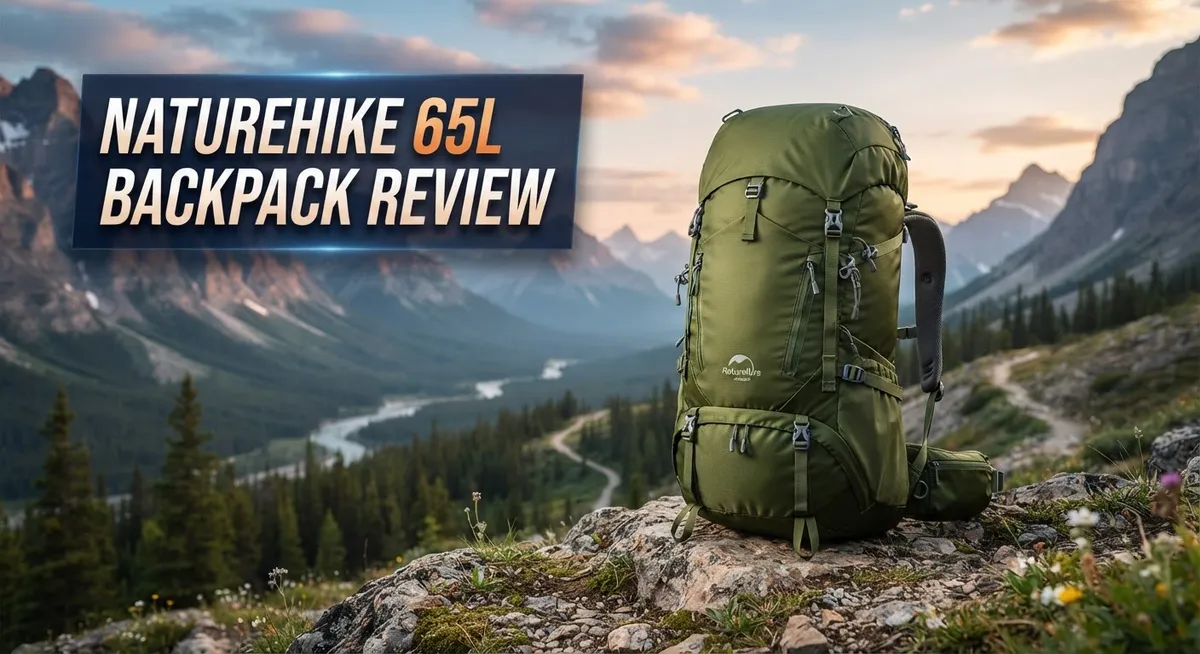
Naturehike 65L Backpack Review: Ultralight Design for Hiking and Travel
Planning a long trek? Your backpack can make or break the trip. The Naturehike 65L Backpack promises big capacity without the bulk.
This pack weighs just 1.31 kg. That makes it one of the lightest 65L options you can find.
It uses Oxford cloth with a polyester and thermoplastic blend. This fabric keeps your gear fully waterproof during rain or river crossings.
Many hikers want a pack that carries more without weighing them down. This Naturehike model aims to do exactly that.
But does it hold up against bigger brands like Osprey? And can the frameless design handle heavy loads on long trails?
We tested the Naturehike 65L Backpack to find out. This review covers its real strengths and weak points. You will learn if this pack fits your next adventure.
In a Nutshell
Here is the quick summary of what you need to know about this pack.
-
Size and fit: The pack measures around 26 × 24.5 × 63 cm. It suits hikers with a back length between 54 and 55 cm.
-
Waterproof build: The seams and fabric keep water out. Your gear stays dry even in heavy rain.
-
No frame support: This bag skips a frame. Heavy loads feel less stable on long treks.
-
Strap concerns: The shoulder straps are thin. They show wear after repeated heavy use.
-
Buckle issue: The adjusting buckles can cut into the fabric over time. This affects long term durability.
-
Side pockets fall short: Storage pockets on the sides are smaller than what rivals like Osprey Rook 65 offer.
-
Who it fits best: This pack suits hikers who want a light load. It may not suit those who carry heavy camping gear often.
This pack brings solid waterproofing and light weight to the table. But the frameless design and strap quality need attention before long hauls.
Build and Materials
The Naturehike 65L uses Oxford cloth as its primary material. This fabric combines 94% polyester with 6% thermoplastic. Oxford cloth offers solid durability for outdoor use. The weave pattern helps resist tears and abrasion on trails.
The backpack achieves ultralight construction at just 1.31 kg. This weight makes it ideal for long-distance hiking. You carry the pack itself, not extra bulk. Frameless designs reduce weight compared to internal frame packs. However, the lack of a frame creates trade-offs for support.
Waterproofing stands out as a key strength. The seams are sealed to keep moisture out. The fabric itself resists water penetration. This matters during unexpected rain or stream crossings. Your gear stays dry even in wet conditions.
The shoulder straps present a weak point. They are thinner than straps on competitor models. Over time, these straps show wear from regular use. Extended trips may stress the strap stitching. Heavier loads put more pressure on this area.
The adjusting buckles create another concern. These plastic pieces can cut into the fabric when tightened. Repeated adjustments wear the material around the buckles. This issue appears more often on longer treks. Users report fraying near attachment points.
Side pockets lag behind what other brands offer. The compartments are smaller and less accessible. You cannot fit larger items like water bottles easily. This limits storage flexibility during your hike. Competitors provide more generous side storage.
The frameless design keeps weight down but sacrifices support. Your shoulders feel the load more directly. Uneven weight distribution becomes noticeable with heavy gear. The pack works best for light to moderate loads. Ultralight backpacking suits this design well.
Overall, the build reflects a focus on weight reduction. Materials prioritize lightness over maximum durability. The waterproof sealing justifies the Oxford cloth choice. Thin straps and small pockets represent cost-saving measures. This pack targets hikers who value minimal weight above all else.
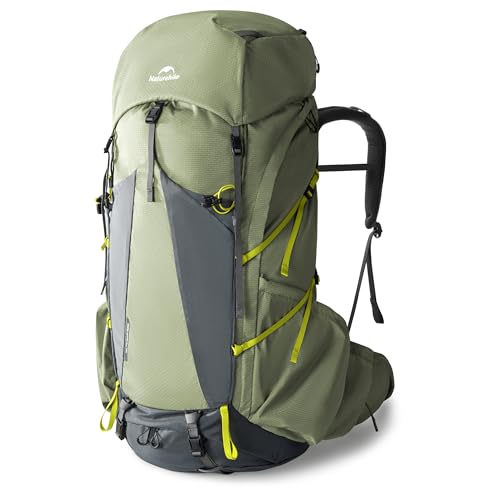
- AIR FLOAT Suspension System: This Seek-wind hiking backpack features the AIR FLOAT suspension system, combining a...
- 65L extra-large capacity: the main compartment features a side-access zip-through design for quick access; with...

Last update on 2026-10-29 / Affiliate links / Images from Amazon Product Advertising API
Comfort and Fit
The Naturehike 65L Backpack offers a comfortable fit for most body types, thanks to its adjustable back length range of 54 to 55 cm. This range works well for hikers with average to slightly taller frames. The pack hugs your spine without feeling restrictive during long walks.
The shoulder straps deserve attention here. They are thin and lightweight, which helps reduce overall pack weight. However, this design choice means they may not distribute pressure as evenly as thicker straps found on heavier packs. Longer hikes can create pressure points on your shoulders if you load the pack near its 65L capacity.
The hip belt sits low and snug against your waist. It transfers some weight from your shoulders to your hips, which is what you want. Many users report that the belt works best when packed to around 15 to 20 kg. Beyond that, the frameless construction becomes noticeable, and support drops off.
Frameless design means no internal support structure. Your own back becomes the frame. This feels natural on lighter loads but becomes uncomfortable on longer treks with heavier gear. The pack molds to your body shape, which some hikers prefer for flexibility and packability.
The adjusting buckles on the shoulder straps present a practical concern. Over time, they can cut into the fabric if adjusted repeatedly. This wear happens gradually but does affect durability. You may need to reinforce these areas with tape or patches after several months of regular use.
Ventilation across the back panel is minimal due to the frameless design. Your back stays in close contact with the fabric, which can feel warm during strenuous hiking or in hot climates. This is a trade off you accept when choosing ultralight construction.
The overall fit works best for day hikes and light overnight trips. It suits hikers who prioritize weight savings over maximum comfort and support. If you carry heavy loads regularly or prefer maximum padding, this pack may feel less comfortable than alternatives with internal frames and thicker straps.
Waterproofing and Weather Resistance
The Naturehike 65L stands out for its fully waterproof construction. The Oxford cloth material combined with sealed seams keeps moisture out during rain and wet conditions. This matters because water penetration ruins gear and adds weight to your pack.
The fabric itself resists water effectively. The 94% polyester and 6% thermoplastic blend creates a protective barrier. Water beads off the surface rather than soaking through. You won’t worry about your sleeping bag getting damp on rainy nights.
Seam sealing plays a critical role too. Most budget packs skip this step entirely. The Naturehike includes sealed seams at stress points. This prevents water from sneaking through the stitching where fabric pieces join together. That’s where leaks usually start on cheaper alternatives.
One practical consideration matters here. The frameless design affects how water drains. Without an internal frame, the pack sits closer to your back. During heavy rain, water can pool against your body if you’re not careful. Positioning the pack away from your skin helps in wet weather.
The thin shoulder straps present a secondary concern. They don’t shed water as effectively as thicker straps on larger packs. Water can run down the straps and onto your torso. This isn’t a deal breaker, but it’s worth knowing for extended wet weather trips.
Side pockets offer less weather protection than main compartments. Water can enter these smaller spaces more easily. Keep important items in the main bag rather than side pockets during storms. The main waterproof section protects your essentials reliably.
For day hikes and short overnight trips, the waterproofing performs well. The pack handles typical rain and light moisture without issues. Hikers report dry contents after standard weather exposure. However, extreme conditions like heavy downpours or water crossings might test its limits.
The waterproof rating holds up against real world use. Moisture doesn’t penetrate the fabric or seams under normal hiking conditions. Your gear stays protected during typical weather. This waterproofing feature justifies the pack’s appeal for budget conscious hikers who refuse to compromise on protection.
Top 3 Alternatives
Osprey Atmos AG

- Fine-Tuned Fit - Fit-on-the-Fly harness and hipbelt make for improved comfort and a fine-tuned fit
- Integrated Raincover - Keeps your pack and gear dry in inclement weather
Last update on 2026-10-29 / Affiliate links / Images from Amazon Product Advertising API
The Osprey Atmos AG offers exceptional comfort for long treks. This pack features an Anti-Gravity suspension system that keeps weight close to your body. The harness distributes load evenly across your shoulders and hips.
You get multiple compartments for organizing gear. The pack has a top lid that detaches, giving you flexibility. Ventilation channels run down the back panel, keeping you cool during warm hikes.
Deuter Aircontact Pro
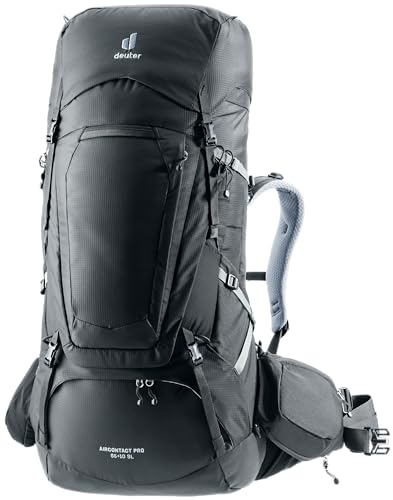
- USE CASE: This Aircontact Pro is a women’s-specific 65 + 10-liter-by-volume backpack designed for freedom-seeking...
- SLIM LINE/NARROW FIT: The SL series is tailored with a shorter cut, ergonomically shaped shoulder straps with soft...
Last update on 2026-10-29 / Affiliate links / Images from Amazon Product Advertising API
Deuter’s Aircontact Pro combines stability with breathability. The Aircontact system creates airflow between your back and the pack. This design reduces sweat buildup on longer journeys.
The pack includes a removable hip belt and adjustable torso length. You can customize the fit to match your frame perfectly. Side compression straps help stabilize your load as you move through rough terrain.
The North Face Terra
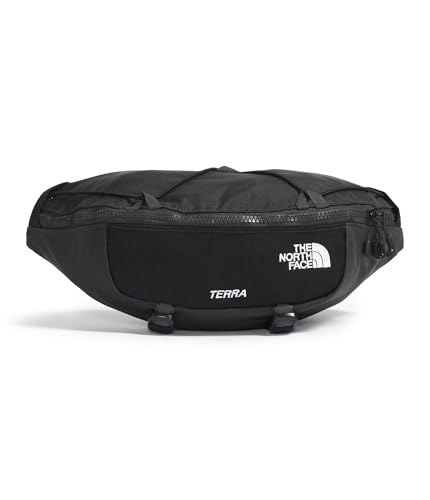
- FOR SHORTER DAY HIKES: The 3L Terra Lumbar pack is designed to fit comfortably against a body in motion. With a...
- EASY ORGANIZATION: The zippered main compartment holds your water bottle, phone and trail essentials. It includes...
Last update on 2026-10-28 / Affiliate links / Images from Amazon Product Advertising API
The North Face Terra delivers reliable performance on demanding trails. This pack uses a flexible frame that adapts to your movements. The suspension system balances support with comfort for all-day wearing.
You’ll find a spacious main compartment plus external pockets. The pack includes a rain cover to protect your gear in wet conditions. Reflective details improve visibility during low-light hiking sessions.
Each of these packs brings different strengths to your adventures. The Osprey focuses on advanced suspension technology. Deuter emphasizes ventilation and customization. The North Face prioritizes weather protection and adaptability. Your choice depends on which features matter most for your specific trips and terrain.
Capacity and Organization
The Naturehike 65L delivers solid compartment organization for backcountry adventures. The main storage area holds gear efficiently, though the layout follows a straightforward design without complex dividers. You get a single large chamber that works well for rolling clothes and packing bulky items like sleeping bags.
The side pockets fall short compared to what you’ll find on competitors. These storage areas are noticeably smaller and less accessible during hikes. If you carry water bottles or snacks, you’ll need to reach around to grab them. The front panel lacks dedicated pockets too, so quick access items require some planning ahead.
The pack includes a top lid pocket for smaller essentials. This compartment works nicely for your phone, keys, or sunscreen. The depth gives you enough room without creating dead space. Many hikers appreciate this quick grab zone during rest breaks.
Internal organization relies on your own packing system. The frameless design means no internal frames or dividers to separate sections. You’ll want compression stuff sacks or packing cubes to keep items organized. This approach works great once you develop a routine, but newcomers might struggle initially.
The back panel sits flush against your spine. This minimalist design keeps the pack light but offers limited ventilation. Air doesn’t circulate much between your back and the fabric. For shorter trips, this rarely causes problems. Longer expeditions might feel uncomfortable in hot weather.
Attachment points dot the exterior for external gear. You can lash trekking poles, a sleeping pad, or extra equipment to the outside. These loops remain sturdy and won’t tear under normal use. The design gives you flexibility beyond the main compartments.
The hip belt connects to the pack frame with simple straps. Weight distribution happens through this belt rather than fancy suspension systems. The setup works well for loads under 40 pounds. Heavier packs may cause the thin straps to dig into your shoulders.
Overall, organization suits minimalist packers who prefer simplicity over complexity. The compartment structure encourages efficient packing habits. You won’t find fancy features here, but the basics work reliably for weekend trips and backcountry adventures.
Weight and Portability
The Naturehike 65L Backpack tips the scales at approximately 1.31 kg, which translates to just 2.9 lbs. This ultralight weight makes it a standout choice for hikers who prioritize mobility over everything else.
Carrying a lighter pack means your legs and back experience less fatigue during long treks. You can move faster on trails. Your knees take less impact with each step. Over a multi day hiking trip, this weight advantage compounds significantly.
The pack’s ultralight construction comes from its frameless design and thin Oxford cloth material. The trade off is reduced support for heavier loads. If you’re planning trips with minimal gear, this backpack excels. For expeditions requiring substantial supplies, you may feel the lack of internal structure.
Portability extends beyond just pack weight. The dimensions measure approximately 26 × 24.5 × 63 cm, creating a compact profile that fits easily in car trunks and airplane overhead bins. You won’t struggle to store it when not in use.
The adjustable back length range of 54–55 cm accommodates most adult body types without adding bulk. A proper fit means better weight distribution across your shoulders and hips. This prevents unnecessary strain during extended wear.
When packed light, the Naturehike 65L becomes genuinely nimble. Day hikers appreciate how the pack responds to movement. It doesn’t feel cumbersome on steep terrain. Scrambling over rocks feels manageable because the pack stays close to your body.
However, the thin shoulder straps can feel insufficient when you approach the pack’s full capacity. They lack the cushioning found on heavier duty models. Extended wear with a full load may cause discomfort in the shoulder area.
The frameless construction also means minimal back panel ventilation. Air circulation is limited compared to packs with internal frames. On warm weather hikes, your back may feel warm against the fabric.
Overall, the Naturehike 65L delivers excellent portability for minimalist adventurers. It shines for short trips and light loads. Hikers seeking maximum mobility will appreciate its featherweight design. Just remember that this weight advantage comes with trade offs in support and comfort under heavier conditions.
Pros and Cons
Pros
- Ultralight at 1.31 kg, reducing fatigue on long treks
- Fully waterproof fabric and sealed seams handle rain and wet conditions
- Durable Oxford cloth withstands rough outdoor use
- Adjustable back length (54–55 cm) fits most adult body types
- Simple frameless design keeps the pack nimble and packable
Cons
- Thin shoulder straps wear quickly and feel insufficient at full capacity
- Adjusting buckles can cut into the fabric over time
- Frameless construction offers limited back support for heavy loads
- Side pockets lack weather protection compared to main compartments
Who Should Buy It
This pack works best for specific types of adventurers. If you’re an ultralight backpacker who carries minimal gear, the Naturehike 65L shines. Your shoulders won’t rebel after a full day of hiking.
Solo hikers and minimalist campers find real value here. You pack only what you need. The frameless design rewards people who don’t load their pack to maximum capacity. Heavy loaders should look elsewhere.
Thru-hikers and long-distance trekkers benefit from the ultralight weight. Every ounce matters over hundreds of miles. Shaving 1.31 kg from your gear stack adds up quickly. Your knees thank you at the end of week two.
Budget conscious adventurers appreciate this option. You get a waterproof pack without unnecessary features. No fancy suspension systems. No excessive padding. Just honest construction that does the job.
Backpackers who hike in wet climates should consider this pack. The fully waterproof fabric and sealed seams keep your gear dry. Rain and stream crossings don’t scare you. Your sleeping bag stays dry inside.
Fair weather hikers work well with this pack. Summer trips through dry regions suit it perfectly. You won’t need extensive weather protection for three season trips.
This pack is NOT for everyone though. Heavy loaders should avoid it. If you carry 20+ kg regularly, the thin shoulder straps and frameless design will disappoint you. Your back will feel the strain.
Comfort seekers who demand maximum padding and support should pick something else. This pack prioritizes weight over cushioning. Your hips and shoulders feel the pack frame directly.
People who need extensive side pockets for quick access gear should look at competitors. The side pockets here lack weather protection and capacity. Organization comes from the main compartment only.
Casual weekend campers might find the 65L capacity too large. A smaller pack makes more sense for short trips. This size works best for extended journeys.
The Naturehike 65L targets experienced minimalist hikers. You know your gear. You pack smart. You value lightweight construction over luxury features. This pack rewards your approach to backpacking.
Final Verdict
The Naturehike 65L Backpack earns its place among solid trekking gear. It blends ultralight design with genuine waterproof protection. This combo makes it a smart pick for many outdoor lovers.
Compared to the Osprey Atmos AG 65 or Osprey Rook 65, this pack trades heavy padding for pure portability. It also skips the bulk you find in the Decathlon 70L. If you want something closer to ultralight gear like the 3F UL 40L but with more room, this bag fits that gap nicely.
Its Oxford cloth shell holds up well against rain, mud, and rough trail conditions. The sealed seams give real peace of mind during unexpected storms. You will not babysit your gear every time clouds roll in.
That said, the pack has clear limits. The thin straps and frameless build mean it struggles under heavy loads. If you plan to carry gear for a week long expedition with lots of extra weight, this is not your best match.
Think of this backpack as a specialist tool rather than an all rounder. It shines for short trips, fair weather trekking, and minimalist packing styles. People who travel light and value low pack weight will enjoy using it often.
If you need plush support or want deep side pockets for quick access items, look elsewhere. Competitors offer better structure for those specific needs.
For most casual hikers and weekend campers though, this pack checks the right boxes. It stays light, resists water, and survives daily wear without falling apart.
Final take: choose the Naturehike 65L if you prioritize low weight and water resistance over heavy duty support. It rewards simple packing habits and short to medium trips.
This backpack proves that smart design beats excess features. Pack smart, travel light, and let this bag do its job well.
Frequently Asked Questions
Will this backpack handle heavy rain on multi-day trips?
Yes. The Naturehike 65L features fully waterproof fabric and sealed seams. Rain and wet conditions won’t damage your gear inside. The Oxford cloth material resists water penetration even during extended exposure.
However, the side pockets lack weather protection. Keep sensitive items in the main compartment for maximum protection during downpours.
Can I adjust the back length to fit my body?
The back length range spans 54–55 cm, which fits most adult body types. This adjustability helps distribute weight evenly across your shoulders and hips. A proper fit reduces fatigue during long hikes.
Measure your torso length before purchasing to confirm it matches your frame. Most hikers find this range accommodates their needs well.
Is the frameless design a problem for carrying heavy loads?
Frameless construction limits back support when the pack sits at full capacity. Heavy loaders should look at other options with internal frames or rigid support systems.
The pack excels when you pack light and smart. Solo hikers and minimalist campers rarely experience discomfort because they carry less weight overall.
How durable are the shoulder straps?
The thin shoulder straps wear quickly under stress. They feel insufficient when you load the pack to capacity. Over time, adjusting the buckles can cut into the fabric, causing damage.
This is a known weakness. Expect to reinforce or replace straps if you use this pack heavily for several seasons.
Who should skip this backpack?
Comfort seekers who demand maximum padding should pick something else. People needing extensive side pockets for quick access gear should explore competitors. Heavy loaders will find better support elsewhere.
This pack works best for fair weather hikers, weekend campers, and minimalist adventurers who prioritize low weight and portability over luxury features.

Zoro is a passionate traveler and gear enthusiast dedicated to helping fellow adventurers find the perfect travel products for their journeys. With years of hands-on testing and research, he provides honest, detailed reviews to make your packing decisions easier.


